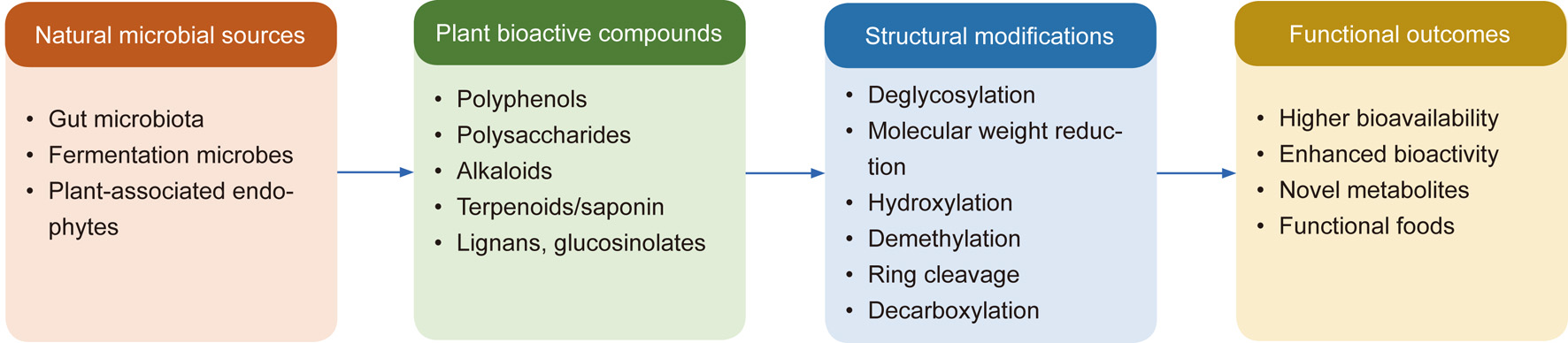
Figure 1. Conceptual framework of this review.
| Journal of Food Bioactives, ISSN 2637-8752 print, 2637-8779 online |
| Journal website www.isnff-jfb.com |
Review
Volume 35, September 2026, pages 12-23
Microbial biotransformation of plant-derived bioactive compounds: structural modifications, enhanced bioavailability, and functional food applications
Figures
Table
| Structural modification | Compound classes | Representative enzymes | Functional consequence |
|---|---|---|---|
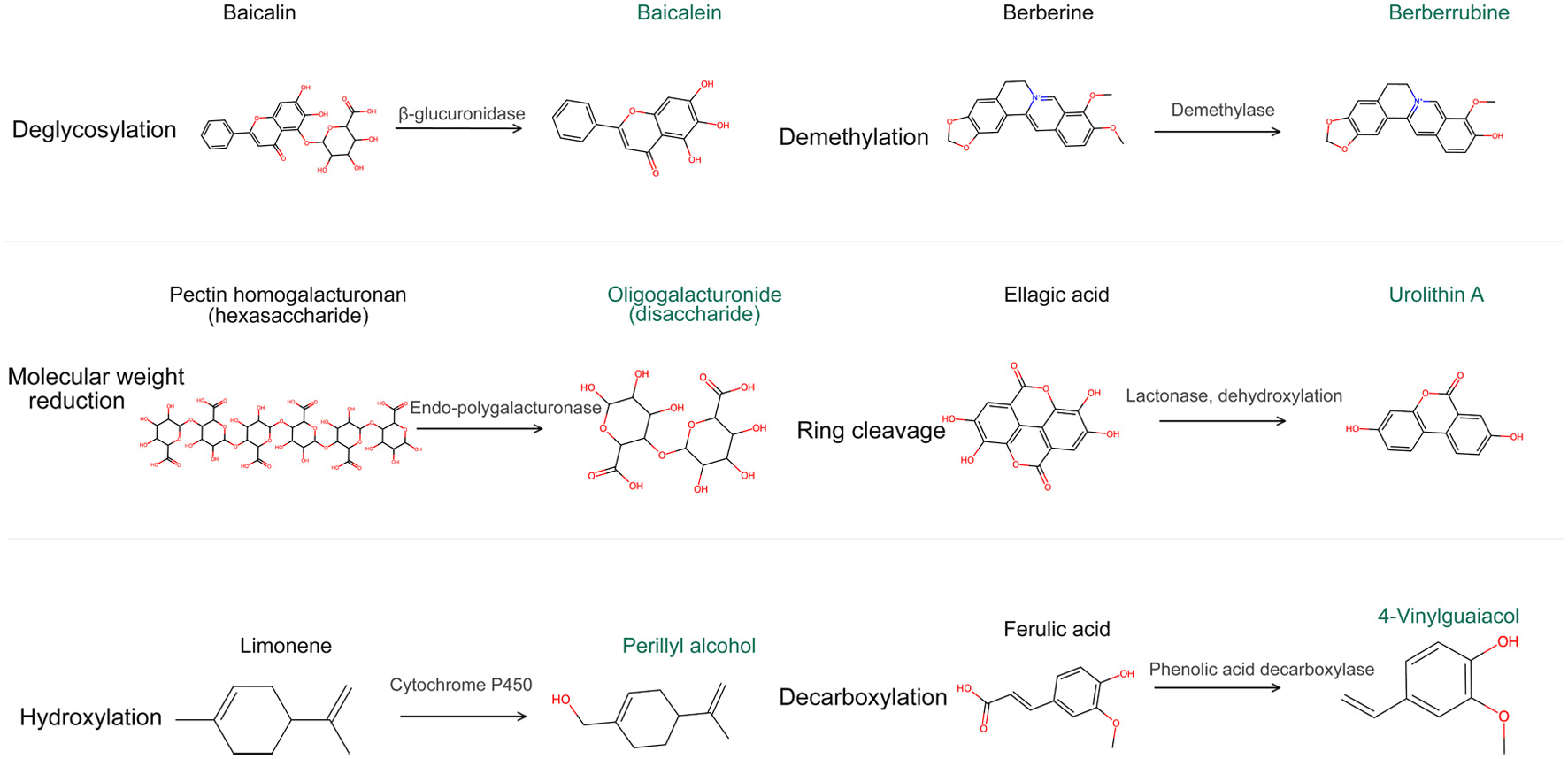
| Deglycosylation | Polyphenols, saponins, alkaloids, lignans, glucosinolates | β-glucosidase, β-glucuronidase, glycoside hydrolase | Increased bioavailability and lipophilicity; altered bioactivity |
| Molecular weight reduction | Polysaccharides, condensed tannins, procyanidins | Cellulase, pectinase, xylanase, tannase | Increased solubility; altered prebiotic and immunomodulatory activity |
| Hydroxylation | Terpenoids, phenolic acids | Cytochrome P450, hydroxylase | Increased antioxidant capacity and receptor specificity |
| Demethylation | Alkaloids, lignans | Demethylase, reductase | Altered bioactivity, estrogenic or metabolic profile |
| Ring cleavage/fission | Flavonoids, tannins, lignans | Reductase, lyase, decarboxylase | Novel metabolite scaffolds (urolithins, enterolactone, equol) |
| Decarboxylation | Phenolic acids | Phenolic acid decarboxylase | Altered antioxidant stability, volatility and flavour |