| Journal of Food Bioactives, ISSN 2637-8752 print, 2637-8779 online |
| Journal website www.isnff-jfb.com |
Original Research
Volume 35, September 2026, pages 38-45
In vitro bile acid-binding ability of black soybean seed coat
Naho Mizuno-Nagataa, *, Hitoshi Ashidaa, Toshiya Todab, †
aDepartment of Food Sciences and Nutrition, School of Food Sciences and Nutrition, Mukogawa Women’s University, 6-46 Ikebiraki-cho, Nishinomiya, Hyogo 663-8558, Japan
bDepartment of Innovative Food Sciences, School of Food Sciences and Nutrition, Mukogawa Women’s University, 6-46 Ikebiraki-cho, Nishinomiya, Hyogo 663-8558, Japan
†T.T. deceased on April 3, 2026.
*Corresponding author: Naho Mizuno-Nagata, Department of Food Sciences and Nutrition, School of Food Sciences and Nutrition, Mukogawa Women’s University, 6-46 Ikebiraki-cho, Nishinomiya, Hyogo 663-8558, Japan. E-mail: mw499460@mukogawa-u.ac.jp
DOI: 10.26599/JFB.2026.95035454
Received: May 11, 2026
Revised received & accepted: May 31, 2026
| Abstract | ▴Top |
Bile acid-binding ability with dietary components is known to modulate cholesterol metabolism. However, the bile acid-binding potential of polyphenols in black soybean (Glycine max L.) seed coat has not yet been fully elucidated. In this study, we quantified the bile acid-binding ability of both black and yellow soybean seed coats and their polyphenols. Suspended seed coat revealed the ability to bind cholic and deoxycholic acids: the binding ability of black soybean seed coat significantly exceeded that of yellow one. This ability was observed in both water-soluble and water-insoluble fractions from black soybean seed coat. The ability of the water-soluble fraction is attributed to anthocyanins and low-molecular-weight proanthocyanidins, whereas that of the water-insoluble fraction is mainly due to highly polymerized proanthocyanidins. These findings suggest that the intake of black soybean seed coat may maintain healthy cholesterol homeostasis through the excretion of bile acids.
Keywords: Black soybeans; Bile acid-binding ability; Polyphenols; Anthocyanins; Proanthocyanidins
| 1. Introduction | ▴Top |
Bile acids are synthesized from cholesterol in the liver, secreted into the duodenum, and subsequently reabsorbed via the intestinal tract to enter enterohepatic circulation. To maintain homeostasis, the liver synthesizes nascent bile acids to replace the fraction excreted in feces. Due to their potent strong surfactant properties, bile acids are essential regulators of lipid digestion, absorption, and cholesterol metabolism (Konishi and Nabetani, 2013; Uchida, 2009). Furthermore, they exert selective pressure on the intestinal microbiota through significant antibacterial activity (Yokota et al., 2012). Consequently, fluctuations in bile acid composition and pool size can profoundly alter the gut environment. Recently there has been growing research focus on bile acid-mediated metabolic signaling and the bidirectional interactions between the bile acid and gut commensal bacteria (Therdtatha et al., 2022).
Bile acid sequestrants, such as anion-exchange resins cholestyramine and colesevelam, are established treatments for hypercholesterolemia due to their capacity to enhance fecal bile acid excretion (Scaldaferri et al., 2013). Similarly, numerous dietary components particularly fiber-rich grains and fruits have demonstrated significant bile acid-binding potential (Dongowski, 2007; Hamauzu and Mizuno, 2011; Kahlon and Chow, 2000; Kahlon and Shao, 2004; Kahlon and Smith, 2007). Furthermore, polyphenols, specifically those characterized by highly polymerized proanthocyanidin structures, exhibit strong bile acid-binding ability. Matsumoto et al. (2010) and Hamauzu and Ikeda (2022) showed not only that proanthocyanidins derived from immature persimmon fruits effectively bind bile acids in vitro, but also that by the in vivo animal models, where the administration of these compounds significantly enhanced fecal bile acid excretion, concurrently reducing hepatic lipid accumulation and plasma cholesterol concentrations in mice.
The food culture of soybean [Glycine max (L.) Merr.] is unique to East Asia, where a wide variety of soybeans are consumed. The seed coat of black soybeans is also rich in polyphenols, including anthocyanins and proanthocyanidins, compared to other soybeans, i.e. red-brown, green and yellow, and has been reported to have positive antioxidant and lipid metabolism effects (Furuta et al., 2003; Ganesan and Xu, 2017; Malenčić et al., 2012; Nishijima et al., 2024; Yamashita et al., 2020). However, there are no detailed studies on the bile acid-binding ability of polyphenols in black soybeans. Therefore, in this study, we measured the bile acid-binding ability of both black and yellow soybean seed coats and investigated the relationship between the polyphenols present in the seed coat.
| 2. Materials and methods | ▴Top |
2.1. Preparation and extraction of soybean seed coat
Black soybean (Glycine max (L.) Merr. ‘Iwaikuro’, harvested in 2024; Hokkaido, Japan) and yellow soybean (Glycine max (L.) Merr. ‘Yuzuru’, harvested in 2024; Hokkaido, Japan) seeds were purchased from Japan Clasia Food Supply (Okayama, Japan). After lyophilization, the seed coat was separated and crushed to less than 500 μm. Aliquot of the crushed seed coat (0.5 g) was extracted with 40 mL of water at 90°C for 30 min. After centrifugation (10,900 ×g, 15 min), the residue was washed twice with 30 mL of water. The resulting supernatant and residue were lyophilized into powders and referred to as a water-soluble fraction and water-insoluble fraction, respectively.
2.2. Bile acid-binding ability
Bile acid-binding tests in vitro were performed according to the method described by Matsumoto et al. (2011). Briefly, soybean seed coat powder was suspended at 4% (w/v) in PBS solution (pH 7.4) containing bile acid and shaken at 37 °C for 10 min. The experimental bile acid concentrations were modeled after physiological levels in the human intestine (2–10 mM: Northfield and McColl, 1973): i.e., sodium cholate monohydrate (CA; Sigma-Aldrich, St. Louis, MO, USA) and sodium deoxycholate monohydrate (DCA; Nacalai Tesque, Kyoto, Japan) were used at final concentrations of 4 mM and 2 mM, respectively. These concentrations are the maximum concentrations achievable without inducing viscosity related experimental interference. The additive amount of seed coat was set to 4% (w/v), the maximum within the range where addition dependence was confirmed, after measuring the bile acid-binding rate of 1–5% black soybean seed coat beforehand. After incubation, supernatant was collected by a centrifugation (13,800 ×g, 5 min), and the bile acid concentration was measured using a commercially available enzyme colorimetric kit [Total bile acid-test Wako; Fujifilm Wako Pure Chemical (Fujifilm Wako), Osaka, Japan]. This assay kit uses 3α-hydroxysteroid dehydrogenase and diaphorase as enzymes; theoretically, errors caused by component-specific colors or nonspecific reactions can be offset by including a sample blank measurement. Then, the bile acid-binding rate was calculated as the rate of precipitation, obtained by subtracting the concentration of free bile acid from that of added bile acid. To ensure assay validity, cholestyramine (Sigma-Aldrich) and cellulose (Fujifilm Wako) were employed as the positive and negative controls, respectively.
First, differences of the bile acid-binding ability of the seed coat and its water-insoluble fraction from black and yellow soybeans were compared. Then, the seed coat, its insoluble and soluble fractions from black soybeans were tested. Finally, in order to clarify the bile acid-binding ability of the low-molecular polyphenols contained in black soybean seed coat, 0.033% (w/v) of (+)-catechins (Sigma-Aldrich), (–)-epicatechin (Fujifilm Wako), procyanidin B2 (Fujifilm Wako), procyanidin C1 (Cayman Chemical, Ann Arbor, MI, USA), cinnamtannin A2 (Phytolab, Vestenbergsgreuth, Germany), and cyanidin 3-glucoside [C3G; Tokiwa Phytochemical (Tokiwa), Chiba, Japan] were subjected to the bile acid-binding tests. They were analyzed in triplicate.
2.3. Component analysis
Methanol/water/trifluoroacetic acid (40:60:0.5, v/v/v; 20 mL) was added to 0.3 g of the seed coat and its water-insoluble fraction from black and yellow soybeans, and after repeated cycles of stirring and sonicating (15 min) and resting (5 min), centrifugation (4,800 ×g, 15 min) was performed. The same extraction was repeated twice, and then the supernatant was filled up to 100 mL (Oki et al., 2011). In addition, 20 mL of acetone/water/acetic acid (70:29.5:0.5, v/v/v) was added to the extraction residue above, and the same extraction procedure was repeated thrice. Acetone was removed by a vacuum concentration and filled up to 50 mL with 50% (v/v) methanol (Sawai et al. 2012).
Anthocyanins were analyzed using the HPLC L-7000 system equipped with Cadenza CD-C18 column (250 × 4.6 mm inner diameter (i.d.), 3 μm; Imtakt, Kyoto, Japan). The HPLC conditions were as follows: column temperature, 40°C; injection volume, 10 μL; flow rate, 0.6 mL/min; and measurement wavelength, 520 nm. Mobile phase A consisted of 0.6% (v/v) formic acid and mobile phase B consisted of 50% acetonitrile:0.6% formic acid (v/v). The gradients for mobile phase B were 15–50% (0–40 min), 50% (40–45 min), and 15% (46–60 min). C3G, delphinidin 3-glucoside (D3G; Tokiwa), and petunidin 3-glucoside (Pt3G; Tokiwa) were used as standards. Flavan-3-ol monomers and oligomers were analyzed using the HPLC 8020 system (Tosoh, Tokyo, Japan) equipped with the fluorescence detector (Nanospace 3213 SI-2; Shiseido, Tokyo, Japan), and Cadenza CL-C18 column (250 × 4.6 mm, i.d., 3 μm; Imtakt). The HPLC conditions were the same as above, except the flow rate (0.7 mL/min) and detector. The fluorescence was measured by excitation at 276 nm and detection at 316 nm (Wang et al., 2017). Mobile phase A was 0.1% (v/v) formic acid. Mobile phase B was acetonitrile, and the gradient was 5–15% (0–45 min), 15–80% (45–50 min), 80% (50–53 min), and 5% (53–70 min). The standards used were (+)-catechin, (–)-epicatechin, procyanidin B2, procyanidin C1, and cinnamtannin A2. The content of anthocyanins and flavan-3-ols in the methanol/water/trifluoroacetic acid and acetone/water/acetic acid extracts were measured respectively, and the results are expressed as combined values as the latter contained only trace amounts of them.
The insoluble fraction (5 g) from black and yellow soybean seed coat was added to 100 mL of acidified methanol (70% methanol:1% concentrated HCl, v/v) and extracted twice at 80°C for 30 min (Matsumoto et al. 2010; Takekawa and Matsumoto, 2012). The acidified methanol solution was filled up to 250 mL, and the optical absorption spectrum (190–700 nm, UV-1280; Shimadzu, Kyoto, Japan) was scanned to check the existence of anthocyanins. The absorbance (555 nm, UVmini-1240; Shimadzu) was separately measured and the total cyanidin content was calculated using cyanidin chloride (Fujifilm Wako) as a standard. Total proanthocyanidin content was determined as the (+)-catechin equivalent by measuring the absorbance (500 nm, UVmini-1240) according to the vanillin sulfate method (Sun et al., 1998).
2.4. Statistical analysis
IBM SPSS Statistics v29.0.2.0 (IBM, Armonk, NY, USA) was used to perform a one-way analysis of variance (ANOVA) with Tukey’s post-hoc test. Statistical significance was set at p < 0.05.
| 3. Results and discussion | ▴Top |
3.1. Comparison of bile acid-binding ability of black and yellow soybean seed coat
The yields of the water-insoluble fraction obtained from the seed coat were 76 ± 5% and 88 ± 5% (w/w) for black and yellow soybeans, respectively. Figure 1 shows the results of bile acid-binding test conducted at a concentration of 4% of these fractions. The binding rate of the insoluble fraction was adjusted based on the recovery yield relative to the seed coat. Black and yellow soybean seed coats are bound CA and DCA. The binding rates of black soybean seed coat were 55.2% and 66.7% for CA and DCA, respectively, showing values 6.8 times and 2.2 times higher than that of yellow one. Compared to the insoluble fraction of black soybeans, the seed coat showed 4.4 times and 1.9 times higher binding rates for CA and DCA, respectively. Therefore, in black soybeans, the difference in binding rates between the seed coat and its insoluble fraction might be due to the water-soluble substances. However, the difference in binding rates between the seed coat and its insoluble fraction of yellow ones was negligible, only a few percent, for the two bile acids; thus, the water-soluble substances of yellow soybean seed coat hardly contribute to binding ability. The binding rate of the insoluble fraction of black soybeans showed significantly greater than that of yellow ones. This suggests that the substances unique to black soybean seed coat are involved in the high binding ability of the insoluble fraction.
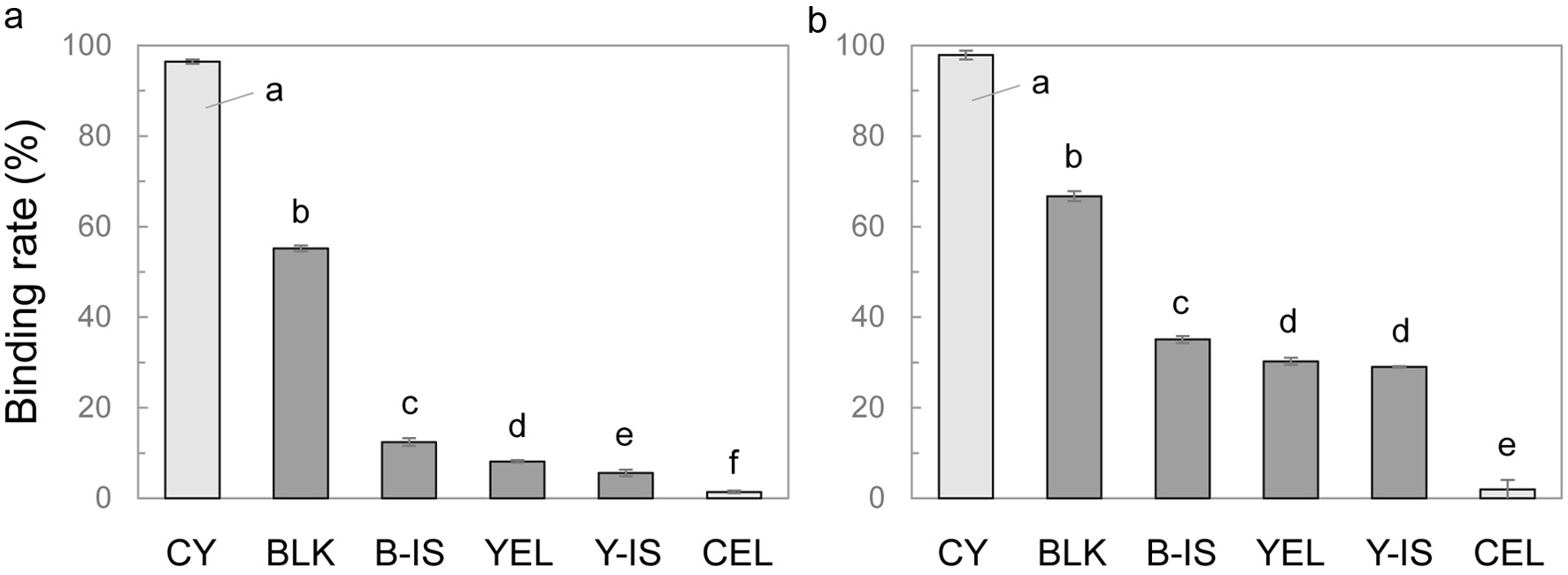 Click for large image | Figure 1. Bile acid-binding rate of the seed coat and its water-insoluble fraction of black and yellow soybeans (4%) with 4 mM CA (a), and 2 mM DCA (b). The binding rate of the water-insoluble fraction was adjusted based on the recovery yield relative to the seed coat. Error bars indicate the standard deviation of three measurements, and different letters indicate a statistically significant difference based on a one-way ANOVA with Tukey’s post-hoc test (p < 0.05). CA, sodium cholate; DCA, sodium deoxycholate; CY, cholestyramine; BLK, black soybean seed coat; B-IS, black soybean water-insoluble fraction; YEL, yellow soybean seed coat; Y-IS, yellow soybean water-insoluble fraction; CEL, cellulose. |
3.2. Comparison of the seed coat, its water-insoluble and water-soluble fractions of black soybean seed coat
Black soybean seed coat has a higher binding ability than yellow one, and both the water-insoluble and water-soluble substances contained in black soybean seed coat exhibit activity (Figure 1). To investigate the differences in binding ability between water-insoluble and water-soluble fractions of black soybeans in detail, the binding rates of the seed coat, its insoluble, and soluble fractions were determined (Figure 2). They were tested at a concentration of 4%, and the absolute value of binding ability was calculated. In addition, adjusted binding rates of the insoluble and soluble fractions were also calculated based on their recovery yields relative to the seed coat (76 ± 5% and 18 ± 1% w/w, respectively), to account for their relative activity within the seed coat. The seed coat and two fractions demonstrated significant bile acid-binding activity. The absolute binding rates of the soluble fraction were 85.9% and 77.8%, significantly higher than those of the insoluble one at 20.6% and 46.4% for CA and DCA, respectively. However, the sum of the adjusted binding rates of the insoluble and soluble ones were roughly consistent with the binding rates of the seed coat. This suggests that the insoluble fraction accounted for over half of the total binding ability of black soybean seed coat. Since water-soluble fraction from yellow soybean seed coat exhibited negligible binding ability (data from Figure. 1), it is suggesting that the soluble fraction of black soybean contains bioactive compounds for the binding ability unique to the black soybean variety.
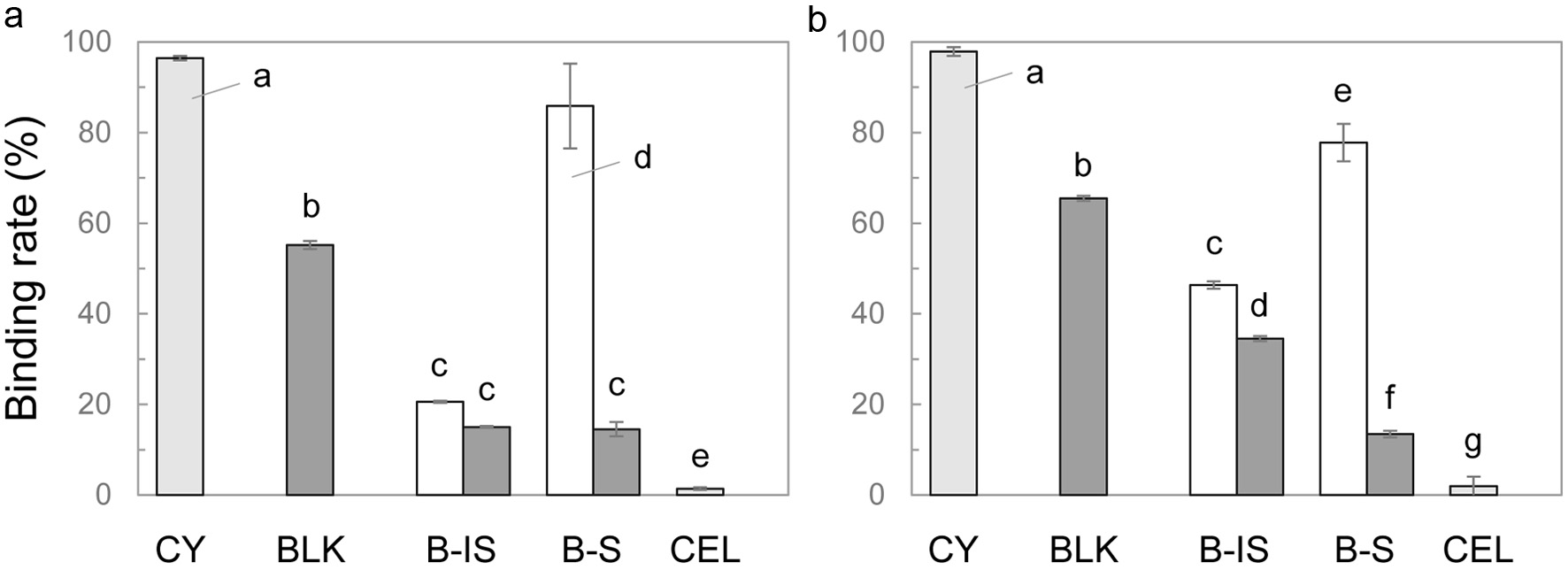 Click for large image | Figure 2. Bile acid-binding rate of the seed coat and its water-insoluble and water-soluble fractions of black soybean (4%) with 4 mM CA (a), and 2 mM DCA (b). The absolute binding rate of each fraction at 4 %(□) and the adjusted rate based on the recovery yield relative to the seed coat (■) are shown. Error bars indicate the standard deviation of three measurements, and different letters indicate a statistically significant difference based on a one-way ANOVA with Tukey’s post-hoc test (p < 0.05). CA, sodium cholate; DCA, sodium deoxycholate; CY, cholestyramine; BLK, black soybean seed coat; B-IS, black soybean water-insoluble fraction; B-S, black soybean water-soluble fraction; CEL, cellulose. |
Low-molecular-weight polyphenols including anthocyanins and proanthocyanidins are characteristic of black soybean seed coat and largely absent in yellow variety (Todd and Vodkin, 1993; Takahata et al., 2001). We compared the extractable polyphenol content of the seed coat and its insoluble fraction for both varieties; anthocyanin levels are summarized in Table 1, while flavan-3-ol monomers and oligomers are detailed in Table 2. Black soybean seed coat contained a full profile of these polyphenols; among the anthocyanins, C3G composed the majority, and (–)-epicatechin and procyanidin B2 were the main flavan-3-ols. Only trace amounts of polyphenols were detected in the water-insoluble fraction, indicating that the majority of polyphenols were partitioned into the water-soluble fraction during extraction. Consequently, the amount of the component in the soluble fraction of black soybeans subjected to the bile acid-binding test was approximately 3.7-fold higher anthocyanin levels and 3.5-fold higher flavan-3-ol levels compared to the seed coat. In contrast, yellow soybean seed coat yielded no detectable anthocyanins and only negligible quantities of flavan-3-ols, further confirming the distinctness of the black soybean seed coat.
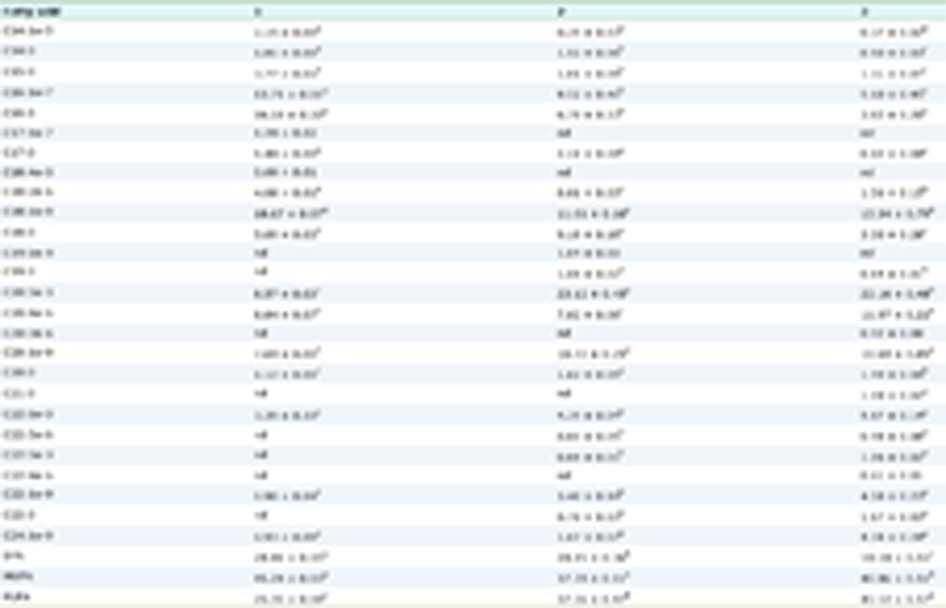 Click to view | Table 1. Anthocyanin contents in the untreated and water-insoluble fractions of black and yellow soybean seed coats |
Click to view | Table 2. Monomer and oligomer contents of flavan-3-ol in the untreated and water-insoluble fractions of black and yellow soybean seed coats |
3.3. Bile acid-binding ability of polyphenols
Since black soybean seed coat and its water-soluble fraction contained high levels of anthocyanins and proanthocyanidins, particularly C3G, D3G, (–)-epicatechin, and procyanidin B2 (Tables 1 and 2), the bile acid-binding test using pure polyphenols was performed. The results are shown in Figure 3. As the pure polyphenols showed bile acid-binding ability even at low concentrations, the concentration was set to 0.033%. Bile acid-binding ability was also observed for all the polyphenol products tested with CA and DCA. Procyanidin C1 and cinnamtannin A2, the trimer and tetramer of (–)-epicatechin, respectively, exhibited higher binding ability than other polyphenols with both bile acids and than cholestyramine, the positive control, with CA. The binding rate of cholestyramine with CA was lower than that with DCA, possibly indicating that the binding ability with CA had already saturated at the concentration used in this experiment.
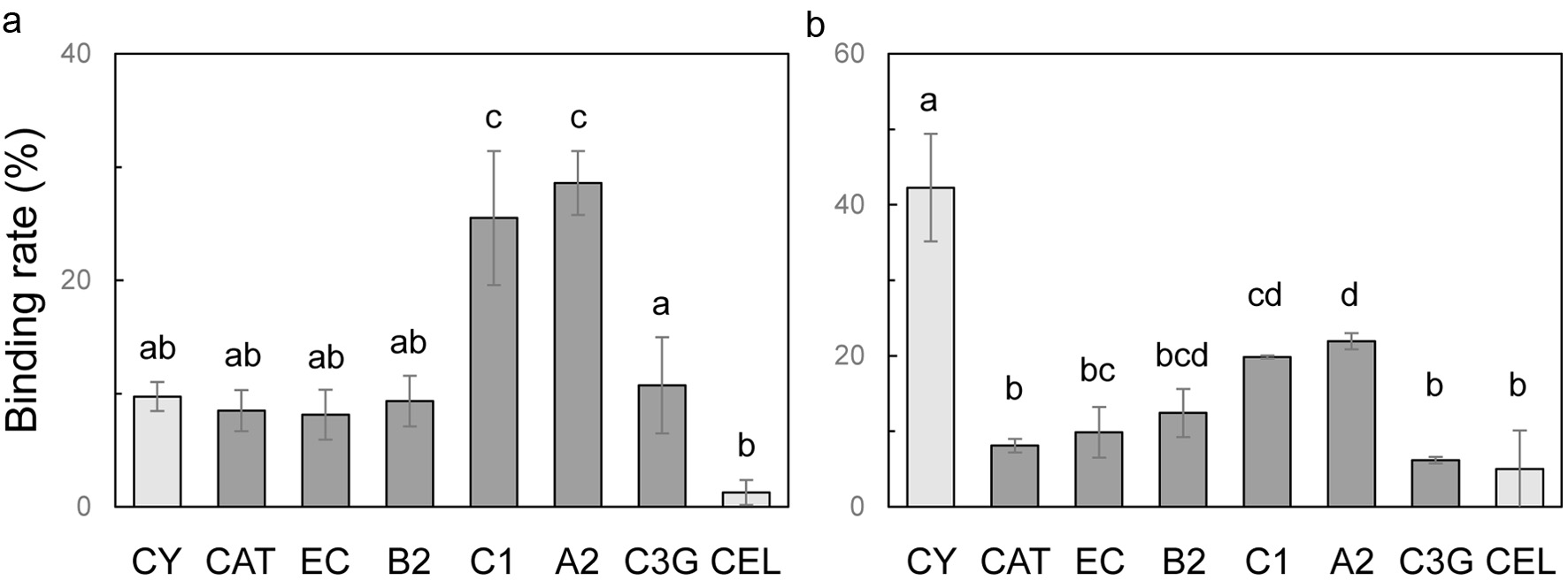 Click for large image | Figure 3. Bile acid-binding rate of polyphenols (0.033%) with 4 mM CA (a), and 2 mM DCA (b). Error bars indicate the standard deviation of three measurements, and different letters indicate a statistically significant difference based on a one-way ANOVA with Tukey’s post-hoc test (p < 0.05). CA, sodium cholate; DCA, sodium deoxycholate; CY, cholestyramine; CAT, (+)-catechin; EC, (–)-epicatechin; B2, procyanidin B2; C1, procyanidin C1; A2, cinnamtannin A2; C3G, cyanidin 3-glucoside; CEL, cellulose. |
Regarding the interaction between proanthocyanidins and bile acids, banana-derived proanthocyanidins, which primarily trimers of (–)-epicatechin and epigallocatechin, have been reported to adsorb to bile acids and form complexes via hydrogen bonding and hydrophobic interactions resulting from their amphilic structure (Li et al., 2019). On the other hand, although anthocyanins are highly water-soluble, they form hydrophobic platforms through self-association in the binding of pectin and anthocyanins (Liu et al., 2024). Based on the above, proanthocyanidins and anthocyanins contained in black soybeans were also thought to have formed insoluble complexes and precipitated in this experiment by binding to bile acids through hydrophobic interactions. Therefore, the large amounts of low-molecular-weight polyphenols in the soluble fraction might result in the high binding rate of the water-soluble fraction of black soybeans (Figure 2). Though the C3G content was high, procyanidin C1 and cinnamtannin A2, which showed high binding rate in pure products, may have influenced the binding ability of black soybean seed coat even in small amounts. Regarding the in vivo pharmacokinetics of proanthocyanidins in humans, the trimer and tetramer of (–)-epicatechin may exhibit bile acid-binding abilities in the digestive tract, since the monomers and dimers have been reported to be absorbed into the bloodstream, whereas trimers and tetramers are hardly absorbed (Zhang et al., 2016). Therefore, trimers and tetramers of proanthocyanidins that remain in the gastrointestinal tract without being absorbed are likely to effectively adsorb bile acids in the human tract as well.
3.4. Determination of bile acid-binding substances of black soybean water-insoluble fraction
The bile acid-binding ability of black soybean insoluble fraction significantly exceeded that of yellow one, suggesting that high binding affinity is mediated by bioactive substances unique to black soybean seed coat (Figure 1). To characterize these constituents, we analyzed the optical absorption spectra of the acidified methanol solution of the insoluble fractions, alongside total cyanidin and proanthocyanidin content (Table 3). Upon acid hydrolysis, the insoluble solution of black soybeans exhibited a distinct red chromophore with a maximum absorption peak (λmax) at approximately 550 nm, consistent with the spectral profile of cyanidin (Figure 4). This chromogenic reaction is attributed to the acid-catalyzed hydrolysis of proanthocyanidins or anthocyanins into their respective anthocyanidin subunits. These data, coupled with the vanillin-sulfate assay results, indicate that the insoluble fraction of black soybeans contains significant quantities of high-molecular-weight proanthocyanidins. In contrast, the acidified insoluble solution of yellow soybeans showed no color change or detectable anthocyanidin and proanthocyanidin presence, confirming the absence of these polymerized structures in the yellow variety.
Click to view | Table 3. Polyphenol contents of the acidified methanol solution of the water-insoluble fraction of black and yellow soybean seed coats |
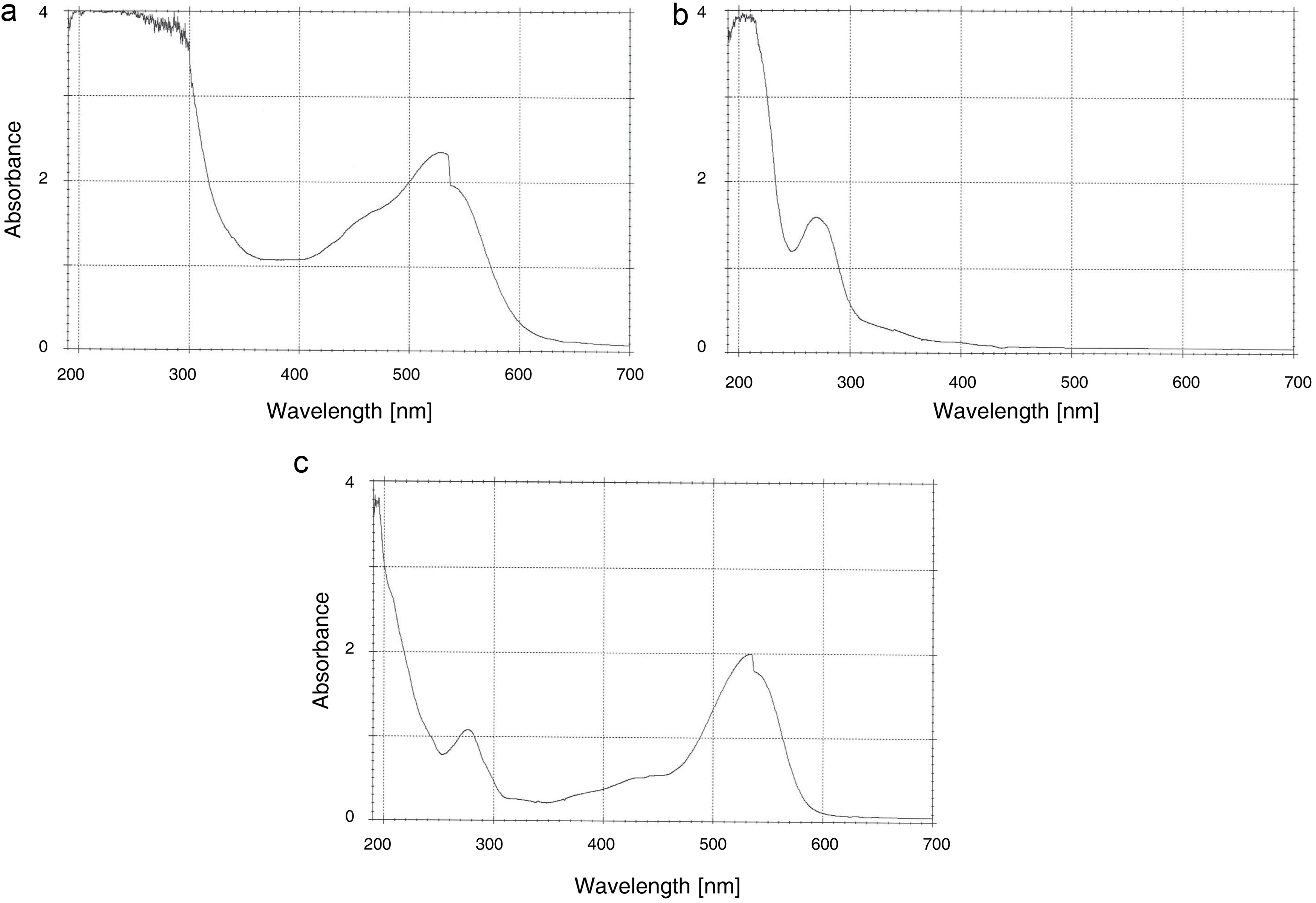 Click for large image | Figure 4. Optical absorption spectrum of the acidified methanol solution of the water-insoluble fraction of black soybean seed coat (a), that of yellow soybean seed coat (b), and cyanidin as a control (c). |
Polyphenols in plants are conventionally extracted using organic solvents, though hydrolyzable polyphenols, which are low-molecular-weight phenolic compounds strongly bound to polysaccharides or proteins, and non-extractable proanthocyanidins, which are high-molecular-weight structures, remain in the residue (Pérez-Jiménez and Saura-Calixto, 2015). Mizuno et al. (2024) and Peng et al. (2017) reported that non-extractable proanthocyanidins contained in the black soybean seed coat after acid hydrolysis treatment of the residue obtained by removing extractable polyphenols with aqueous–organic solvents, such as methanol and acetone. In this study, although almost no anthocyanins or monomers and oligomers of flavan-3-ol were detected in black soybean water-insoluble fraction (Tables 1 & 2), the presence of proanthocyanidins was suggested in the acidified insoluble solution (Figure 4, Table 3); therefore, it is reasonable to assume that highly polymerized proanthocyanidins were present in black soybean insoluble fraction.
Because of the high binding abilities of procyanidin C1 and cinnamtannin A2, the trimer and tetramer of (–)-epicatechin, respectively (Figure 3), proanthocyanidins with higher polymerization degree were presumed to also exhibit bile acid-binding ability. Takekawa and Matsumoto (2012) reported that the water-insoluble proanthocyanidin contents, measured using the vanillin hydrochloride method, correlated with CA-binding rates in extracts of 10 types of immature persimmon fruits, pears, and peaches. Hamauzu and Mizuno (2011) and Hamauzu and Suwannachot (2019) suggested that the high content of non-extractable polyphenols in dried persimmons and quinces may contribute to their strong bile acid-binding abilities. As mentioned above, Li et al. (2019) reported that, in bananas, complexes are formed by the adsorption of proanthocyanidins and bile acids, through hydrogen bonds and hydrophobic interactions. Although the proanthocyanidins of black soybeans, immature persimmon fruits, and bananas may have different structures, non-extractable proanthocyanidins of black soybeans may form similar complexes with bile acids through hydrogen bonding and hydrophobic interactions, resulting in a high bile acid-binding ability.
Bile acid sequestrants and food substances with similar properties primarily exert their effects in the small intestine, specifically from the lower jejunum to the ileum at a pH of around 7.5–8.0. A slight discrepancy existed between the pH of PBS used in this experimental system (7.4) and that of the small intestine. When the pH rises to 7.5 or higher, deprotonation of polyphenols proceeds, causing electrostatic repulsion with negatively charged bile acids, which may weaken their interactions. In contrast, in the large intestine, the pH drops again (to around 5.5–7.0) due to fermentation by intestinal bacteria. Regarding the pharmacokinetics of proanthocyanidins in humans, proanthocyanidins with a high degree of polymerization (DP>3) are rarely absorbed from the intestinal tract (Zhang et al., 2016). Therefore, regarding the interaction between polyphenols that flow into the large intestine without being reabsorbed in the ileum and bile acids, electrostatic repulsion is eliminated as the pH in the large intestine decreases; thus, the conditions of this experiment are considered to have high physiological validity. Consequently, the intake of black soybeans may contribute to improved cholesterol metabolism by allowing highly polymerized proanthocyanidins to adsorb bile acids in the intestine without digestion or absorption, thereby promoting the excretion of bile acids in feces.
Although the yellow soybean seed coat contained almost no polyphenols (Tables 1–3), the insoluble fraction showed some degree of bile acid-binding ability (Figure 1). While not examined in this study, bile-acid binding by insoluble dietary fiber of black soybeans has been reported (Lei et al., 2025). As the dietary fiber content in black and yellow soybeans is almost the same (Kan et al., 2018), insoluble dietary fiber is considered to commonly affect the bile acid-binding ability of the insoluble fractions of both black and yellow soybeans.
This study provides the first evidence of the potent bile acid-binding ability of polyphenols concentrated in black soybean seed coat. Although soybean dietary fiber also exhibits bile acid-binding ability, further comparative analyses involving diverse soybean phenotypes such as brown and alternative black varieties are required to delineate the relative functional contributions of fiber versus polyphenolic fractions. In addition, although highly polymerized proanthocyanidins exhibit strong bile acid-binding ability, their limited bioavailability suggests that they induce the liver to synthesize new bile acids from cholesterol by firmly binding to and excreting bile acids in the lower gastrointestinal tract, thereby is thought to stimulate a systemic shift in lipid metabolism. Thus, dynamic biological reactions—such as the cascading metabolic shifts triggered by the disruption of the enterohepatic circulation and signal regulation mediated by the gut microbiota—cannot be evaluated using a single in vitro model. Therefore, in vivo evaluations in animals and humans are essential to accurately assess the unique bioavailability of black soybean seed coats and to verify their substantive effects on improving lipid metabolism.
| 4. Conclusion | ▴Top |
In this study, the bile acid-binding abilities of black and yellow soybean seed coats were measured, and the relationships between the polyphenols contained in the seed coat were investigated. The results showed that the seed coats of black and yellow soybeans had bile acid-binding abilities for cholic and deoxycholic acids. The bile acid-binding rate of black soybean seed coat was significantly higher than that of yellow soybeans, and both water-soluble and water-insoluble fractions showed bile acid-binding ability. The binding ability of the water-soluble fraction was attributed to the abundance of C3G and the high binding rate observed for the pure products of flavan-3-ol monomers and oligomers. In contrast, the bile acid-binding ability of the water-insoluble fraction was influenced by highly polymerized proanthocyanidins. The results of this study reveal the high bile acid-binding ability of polyphenols contained in black soybean seed coat and suggest that ingestion of black soybean seed coat may support healthy cholesterol metabolism.
Conflict of interest
All contributing authors declare no conflicts of interest.
| References | ▴Top |