| Journal of Food Bioactives, ISSN 2637-8752 print, 2637-8779 online |
| Journal website www.isnff-jfb.com |
Original Research
Volume 34, June 2026, pages 57-64
Characterization of ingredients present in thermogenic and weight loss supplements
Madeline R. Mosera, Ted Wilsona, *, Chinguun Khurelbaatarb, Andrew R. Jagimb
aDepartment of Biology, Winona State University, Winona, Minnesota, USA
bSports Medicine, Mayo Clinic Health System, La Crosse, Wisconsin, USA
*Corresponding author: Ted Wilson, Department of Biology, Winona State University, Winona, Minnesota, USA. E-mail: twilson@winona.edu
DOI: 10.26599/JFB.2026.95034448
Received: January 26, 2026
Revised received & accepted: May 13, 2026
| Abstract | ▴Top |
Dietary supplements with label or packaging references to thermogenesis, fat burn, weight loss, or similar terms contain poorly documented ingredient identities. The 98 US products contained 337 ingredients that were divided into six categories using manufacturer product labeling and indicated quantities. There were 135 different raw plant or plant extract ingredients, with 22 present in three or more products, and green tea (521 ± 1,334 mg) being most common in 32 products. There were 49 small molecule isolates, with 11 in three or more products, with caffeine (181 ± 59 mg) being the most common in 36 products. There were 14 minerals, with 10 in three or more products, and chromium (268 ± 282 mg) being most common in 12 products. There were 13 vitamins, with 10 in three or more products, and cobalamin (49 ± 78 µg) being most common in 15 products. Amino acid and lipid categories were also identified with under 10 ingredients in each class. Ingredients described as proprietary, formulas, or blends were present in 44 of the 98 products. Thermogenic and weight loss supplement ingredients are very heterogeneous, complicating clinical understanding of their efficacy or safety for use in the USA or global marketplace.
Keywords: Dietary supplement; Thermogenesis; Weight loss; Nutraceutical; Ingredients
| 1. Introduction | ▴Top |
Overweight and obesity prevalence between 1990 and 2021 increased by 50% in the United States (GBD 2021, 2024). Concern about obesity and weight management has driven the development of clinical interventions, including pharmaceuticals such as Glucagon-like peptide 1 agonists and surgical options such as gastric bypass (Roomy et al., 2024). Outside the clinic, consumers often turn to dietary supplements, which are purported to assist with achieving thermogenic benefits and subsequent weight loss. The perceived advantage of these products is their potential to be purchased over-the-counter (OTC) and online without oversight by a clinician or a prescription, and may also be perceived by consumers as a lower-cost alternative to prescription medications. In this regard, 58% of US adults in the 2017–2018 National Health and Nutrition Examination Survey (NHANES) reported supplement use, with multivitamin and mineral supplements being most common, and strictly botanical products less common (Mishra et al., 2021). The use of dietary supplements is also tremendously popular globally, in this regard 93% of South Korean college students (Huang et al., 2023), 71% of adult Danes (Kofoed et al., 2015), 52% of adult Saudi Arabians (Alhashem et al., 2022), and 43% of adult Australians (O’Brien et al., 2017). Recent projections indicate that the value of the expanding global dietary supplement market will approach 327.4 billion USD by 2030 (Dini and Mancusi, 2023).
Thermogenic dietary supplement products can provide a perception of greater personal health autonomy and are often framed as a “natural” alternative to pharmaceuticals, although the efficacy and even safety of the ingredients remains poorly investigated. Dietary supplements may contain any number of isolated compounds and ingredients, such as caffeine, or plant extracts, and numerous vitamins, minerals, or other ingredients that could affect human health (Office of Dietary Supplements, 2025). Within the regulatory framework of the 1994 Dietary Supplement Health and Education Act (DSHEA) US manufacturers are allowed to determine if their ingredients are safe, and manufacturer can submit a Generally Recognized As Safe (GRAS) notice or other supporting evidence to the FDA for review (Matouskova et al., 2023). For dietary supplement ingredients that became available in the US after 1994 the New Dietary Ingredient pathway permits the use of an ingredient after a 75 day FDA notification period (FDA, 2023), although manufacturers can easily circumvent these regulatory processes (Richardson et al., 2022). Similarly, the European Food Safety Authority also has dietary supplement regulatory control and defines food supplements as including mineral, vitamin and plant products available in pill or tablet form (EFSA, 2026).
The safety and possible health benefits of some dietary supplement ingredients such as plant- based compounds have been described previously (Mah et al., 2022). In contrast, some of the contents of herbs and foods may deleteriously modify the pharmacokinetics of prescription medications (Asher et al., 2017), such as the interactions of the anticoagulant warfarin and grapefruit phenolics with cytochrome P-450 isoenzymes (Tan and Lee, 2021). In addition, the dietary supplement ephedra, which was purported to help support weight loss, was linked to multiple deaths in 2002 due to excess stimulatory effects on the cardiovascular system (Zheng and Navarro, 2016). Moreover, previous research has found that caffeine-containing energy products (e.g., thermogenic and pre-workout supplements) carry a higher risk of severe adverse effects (Jagim et al., 2020). Despite these potential hazards, patients frequently fail to disclose the use of dietary supplements to their healthcare providers (Guzman et al., 2019; Jou and Johnson, 2016) or fail to fully understand the structure/function claims, intended use, and safety concerns. Problems inherent to the electronic systems used to track the use of dietary supplements in the patient clinical record further complicate the ability of a clinician to screen for dietary supplement use regarding their clinical safety (Kadro et al., 2023).
In order to help clinicians make more informed patient recommendations regarding their safety and efficacy, it is important to identify common ingredient profiles of different classes of dietary supplements. For example, descriptions of a very diverse list of common ingredients in energy drinks and pre-workout supplements has been previously published (Jagim et al., 2019; Jagim et al., 2022), although characterization of the plant or herbal ingredients was not a focus of these prior studies. The identification of specific ingredients with regard to adulteration or authenticity has been the focus of prior investigations (Mathews, 2018; Pawar et al., 2017; Gafner et al., 2023). Part of the problem of characterizing OTC dietary supplements is that the ingredients and amounts claimed to be present in any given product continually evolve based on their availability, cost of raw materials, and trends for the evolving market popularity of potential ingredients. The ability of a clinician to provide guidance about the use of dietary supplements that claim to support weight management is dependent upon the clinician knowing what ingredients are in these poorly characterized dietary supplement products.
The aim of the present study was to characterize the ingredient profile of OTC dietary supplement products available retail or online in the USA whose product name, label, or packaging suggested the promotion of a biological activity that was suggestive of thermogenesis, fat burn or weight loss. This study identified 98 different OTC dietary supplement products that referenced these weight management claims. Product label and packaging information was used to characterize the types of ingredients found in these products and quantify the amount of ingredients listed as present in each product based on product manufacturing claims. The herculean task of chemical validation of the specific ingredient contents or the ingredient quantities present as claimed by the manufacturers in these 98 products or product efficacy was not attempted in this study.
| 2. Materials and methods | ▴Top |
Dietary supplements available as OTC products marketed in pill, powder or tablet form, whose product name, label, or packaging suggested promotion of thermogenesis, fat burn or weight loss were identified by a web search of online retailers such as Walmart and Amazon or at retail outlets in the USA (such as General Nutrition Center and Walgreens) between March and July of 2022, of which 98 specific products met the above criteria. The products examined were Addnatural, Alani Nu Premium Fat Burner Supplement, Anser Healthy Weight Loss Pills for Women & Men, Apple Cider Vinegar Capsules with Garcinia Cambogia Cayenne Pepper Weight Loss Diet Pills, Apple Cider Vinegar Gummy Vitamins by Goli Nutrition, BeautyFit Onyx Thermogenic Fat Burner, BELDT Labs Skald Thermogenic Fat Burner BerbeThin, Bestlyfe PAGG Stack, Beyond Raw Burn MF, BioSchwartz Thermogenic Fat Burner for Women & Men, Blade Fat Burner for Men, BodyDynamix Slimvance XP Thermogenic, BPI Sports Nite burn, Burn XT Black Thermogenic Fat Burner W/TeaCrine, Burn XT, C4 Ultimate Shred, Caralluma Fimbriata Extract, Cellucor SuperHD, Cut Thermogenic Diet Pills, Dopamite, Dr. Emil Nutrition, Enhanced, Envy Nutrition Night Time Fat Burner, Evlution Nutrition ENGN Shred, Evlution Nutrition Lean Mode, Evlution Nutrition Trans4orm - Complete Thermogenic Fat Burner, Fat Burner, Fire Bullets, Flat Tummy Apple Cider Vinegar Gummies, Forskolin for Weight Loss Max Strength, Genius Fat Burner, GNC Total Lean Burn, GNC Total Lean Thermo CLA, Green Tea Fat Burner, Havasu Nutrition Night Time Fat Burner, Herbtonics Apple Cider Vinegar Capsules Plus Keto BHB, Herbtonics Weight Loss Pills Fat Burner for Night Time, Hourglass Fit, Hydroxycut Black, Hydroxycut Max, Inno Shred - Day Time Fat Burner, Inno Supps Night Shred, Iron Brothers Supplements, Irwin Naturals Stored-Fat Belly Burner, iSatori, Lean PM Night Time Fat Burner, Lean1 Banana, Legion Forge Fasted Fat Burner, Lipozene Weight Loss Pills, Man Sports Scorch, MAV Nutrition Weight Loss Pills, Melt, Metafit Keto Fat Burner, Mia Adora, MO4T Thermashape, Modern Man V3, N1N Premium Fat Burner, Natrol Carb Intercept with Phase 2 Carb Controller Capsules, Natures Craft, NITROSURGE Shred, Nobi Nutrition - Night Time Fat Burner, Nobi Nutrition Green Tea Fat Burner, Nobi Nutrition Premium Fat Burners for Women, No-Stim Non Stimulant Fat Burner, Nutra Mode, Nutra Model, Nutrex Research Lipo-6 Black, Nutrex Research Lipo-6 Hardcore, Nutrition 53 Lean 1 Meal Replacement Powder for Weight Loss, PharmaFreak Ripped Freak Premium Fat Incinerator, Phena-Lean Premier Supplement, Premium Green Tea Extract, Premium PAGG Stack, Premium Thermogenic Diet Pills, RARI Nutrition, Redcon1, RSP Nutrition, QuadraLean Thermogenic Fat Burner, Species Nutrition Lipolyze Stimulant Free Fat Burner, SS8, SSG Universal Nutrition Animal Cuts Free, T6 STAR6URN-PM, ThermoDyne, TrueBurn, Ultimate PAGG Stack, Unaltered Belly Fat Burner, Universal Nutrition Natural Sterol Complex, Vintage Burn, VitaRaw Fat Burner for Women, Vitalifer Night Time Fat Burner, vpx Redline Microburst, Weight Loss Drops, Wellthy Sleep All Natural, Wild Fuel, X Male Fat Burner, Youtheory Daily Fat Burner Vegetarian Capsules, Zolotus Premium, and ZuBurn Thermogenic Fat Burner.
Each product’s ingredients and their respective quantities (if provided) were recorded based on manufacturer labeling/packaging information. Ingredient quantities were expressed as the most relevant unit, generally milligrams (mg) and occasionally micrograms (µg). Ingredients were then divided into one of six different categories: 1) Raw plants or extracts (i.e. green tea), 2) Small molecule isolates (i.e. caffeine), 3) Minerals (i.e. chromium), 4) Vitamins (i.e. cobalamin B12), 5) Amino acids (i.e. L-tryptophan), and 6) Lipids (i.e. linoleic acid). Ingredients that were clearly an excipient or filler (such as corn flour or dextrose) for the pill were not included in this ingredient analysis.
Ingredient quantities within each category were describe by their respective mean ± standard deviation Ingredients that were listed as a proprietary product, complex, blend, etc were also categorized from the product ingredient lists (i.e. “proprietary nighttime for burn blend”) but not assigned to one of the six ingredient categories. The names of some ingredients were often not definitively described on labeling using proper botanical nomenclature and proper Genus and species, therefore with respect to each ingredient the plant Genus and species were not indicated in italics in this manuscript. Furthermore, the investigators used their best judgment when determining if two slightly different spellings represented the same ingredient, plant, or plant product (ex. forskohlii and forskolin). While the presence of an ingredient on the packaging label was assumed to reflect ingredient presence in the amount claimed by the manufacturer. However this study did not attempt to verify or validate ingredient authenticity, quantity, or quality outside of the ingredient list claims made by the manufacturers of the 98 products examined.
| 3. Results | ▴Top |
3.1. General description of products examined
The 98 products examined had an average serving size of 13 ± 16 grams and an energy content of 40 ± 71 kcal. A total of 337 different kinds of ingredient were listed by the manufacturers within the 98 different products and each ingredient was coded and assigned to one of six ingredient categories.
3.2. Raw plant and plant extract ingredients
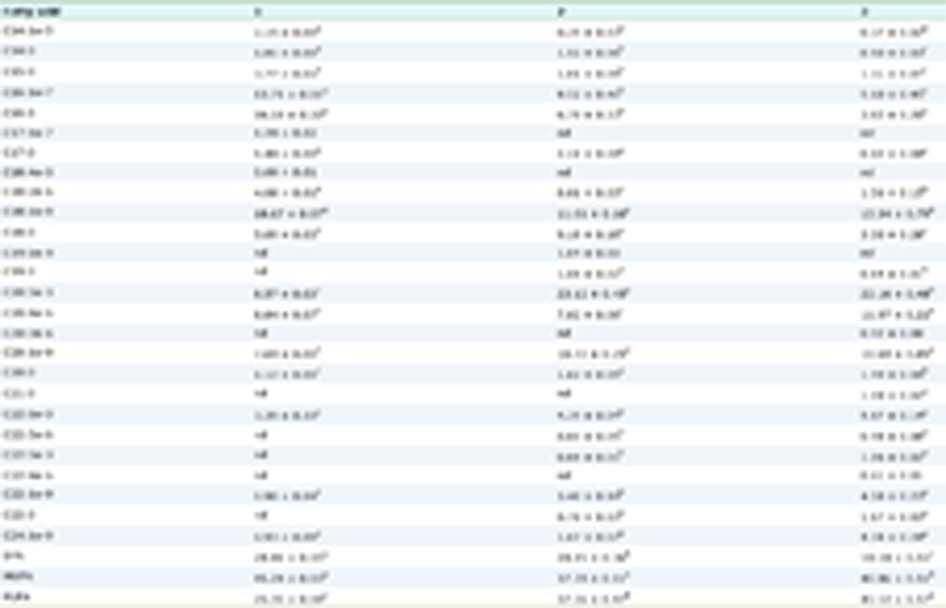
Ingredients that were categorized as a raw plant or plant extract provided the greatest diversity, with 135 different ingredients listed as present, of which 22 were present in three or more products (Table 1). Green tea leaf extract was the most commonly observed being present in a total of 32 of the 98 products. Cayenne pepper (i.e. Capsimax®) was the second most common raw plant or extract ingredient and was found within 17 products. A total of 113 raw plant or plant extract ingredients were present in only two or fewer products (Table 2).
 Click to view | Table 1. Heterogeneity for six different categories of ingredient present in three or more of 98 over-the-counter thermogenic or weight loss supplement productsa,b,c |
Click to view | Table 2. The 98 over-the-counter thermogenic or weight loss dietary supplements contained 172 ingredients* that were present in only one or two products coded into six ingredient categories |
3.3. Small molecule isolates ingredients
Ingredients that were categorized as small molecule isolates provided the second most diversity, with 49 different ingredients, of which 11 were present in three or more products (Table 1). The ingredient observed to be most present was caffeine, being listed as present in 36 products. Acetyl-L-carnitine and L-carnitine were listed as present in 11 products. A total of 38 ingredients were present in two or fewer products (Table 2).
3.4. Mineral ingredients
Fourteen mineral ingredients were present, of which 10 were listed as present in three or more of the products (Table 1). The ingredient observed most present was chromium (n = 12), and calcium was the second most common mineral (n = 7). A total of four ingredients were present in two or fewer products (Table 2).
3.5. Vitamin ingredients
Thirteen ingredients were classified as a vitamin, 10 of which were present in three or more products (Table 1). Cobalamin B12 was observed in 15 products, pyridoxine was listed in 14 products, and three vitamin ingredients were listed in one or two products (Table 2).
3.6. Amino acid ingredients
Nine different amino acid ingredients were present, three of which were listed as present (mg) in three or more products (Table 1). Beta alanine, L-tryptophan, and tyrosine were each present in three different products, and an additional six amino acid ingredients were listed in two or fewer products (Table 2).
3.7. Lipid ingredients
A total of 18 lipid ingredients were present, with linoleic acid and lipoic acid being the only two ingredients present in three or more products (Table 1), and an additional 16 lipid based ingredients were listed in two or fewer products (Table 2).
3.8. Ingredients described as a proprietary products, complexes or blends
Many of the 98 products contained ingredients were described as proprietary products, complexes or blends making it difficult for reliable assignment into one of the six previously described sub-categories used in this investigation. . A total of 44 of the 98 products contained a vaguely worded ingredient that consisted of a label description such as “proprietary nighttime burn blend”, “dopaminergic fat burning catalyst”, or “phase 2 carb controller complex”. There were 100 different kinds of vaguely described ingredient in the 98 products, of which a total of 31 products contained one vaguely described ingredient, six products containing two or three vaguely described ingredients, and seven products contained four to eight vaguely described ingredients.
| 4. Discussion | ▴Top |
This study characterized the ingredients found in 98 OTC dietary supplements labeled with thermogenic or weight loss function claims. These products contained 337 different ingredients that were coded into distinct categories based on ingredient type. This included being classified a raw plant or plant extract, a small molecule isolate, a mineral, a vitamin, an amino acid, or a lipid, with exactly 100 ingredients being only vaguely described as proprietary, a complex, or a blend. While the presence of an ingredient on the packaging label was assumed to reflect ingredient presence in the amount claimed, this study did not attempt to verify or validate ingredient authenticity outside of the labeling claims of the manufacturer.
Ingredients characterized as a raw plant or plant extract were the most common type of ingredient, with 22 ingredients being present in three or more products, and an additional 112 ingredients being present in only one or two of the 98 dietary supplements examined. Green tea leaf extract was the most observed raw plant and plant extract ingredient, being present in 32 of the 94 products investigated. Green tea leaf extracts contain multiple polyphenols, including ingredients such as epigallocatechin-3-gallate, and multiple flavonoids, (Zhao et al., 2022), the presence or absence of any of which of these compounds is heavily influenced by growing conditions and processing methods of the plant (Carlson et al., 2007). While the use of green tea as a means of weight loss has not been reported to be statistically significant (Jurgens et al., 2012), a result confirmed in a more recent meta-analysis of 111 randomized control trials of overweight and obese adults (Shahinfar et al., 2023) . Green tea in its raw leaf or extract form is also a method of delivering caffeine, which could be associated with weight loss (Batchelder et al., 2004; Tabrizi et al., 2019). Cayenne pepper extracts were observed in 17 products, these capsinoid-containing ingredients have been associated with weight loss by stimulating thermogenesis (Ludy et al., 2012; Rogers et al., 2018). The potential association of a plant phenolic with weight loss effects makes it desirable for manufacturers to include them in products to improve product marketability. However, plant soil conditions, environmental exposure to oxidation, insect pest exposure, and manufacturing methods can all greatly alter the content of these phenolic and other plant biomolecules (Carlson et al., 2007). These factors make it difficult to envision standardized quantification of a potential active ingredient or its health effects in a human consumer for any one plant ingredient in a product, let alone synergistic effects of these biomolecules.
A total of 11 small molecule isolate ingredients were observed as present in three or more products, with an additional 25 different kind of isolate being present in two or fewer products.
Caffeine was the most observed small molecule isolate, identified in 36 of the 98 products. Manufacturers presumably choose to add this directly as a small molecule isolate but may have added caffeine containing raw plant ingredients (i.e. tea or coffee) to achieve the same effect. For weight loss and thermogenic purposes, caffeine is thought to aid in fat oxidation and increased metabolic activity, but the legitimacy of these claims in their ability to promote long-term fat loss remains controversial (Collado-Mateo et al., 2020; Conger et al., 2022). Carnitine (Acetyl L- or L-) was the second most widely observed small molecule isolate being present in 22 different products, carnitine has been suggested to improve transport of fatty acids into the mitochondria, which has been proposed to increase fatty acid oxidation and weight loss by a metanalysis of 37 human randomized control trials (Talenezhad et al., 2020).
There were many other raw plant and plant extracts, small molecule isolates, minerals, vitamins, amino acid and lipid-based ingredients present in the 98 products examined in the current investigation. These ingredients, alone or synergistically, have variable degrees of clinical or cell-culture support for their proposed ability to improve weight control, however it was not the purpose of this investigation to validate the mechanisms of action for each ingredient, but simply to describe the ingredient heterogeneity that characterizes these products. Further, a complete description of the weight of evidence for the purported biological functions for all 337 ingredients is beyond the scope of the current study. The recent review by Bonetti et al., 2022 provides speculation on the functional rational for why many ingredients are included in supplements that seek to improve weight control in the obese. A slightly more thorough review of dietary sources that could provide thermogenic benefits was also recently published by Okla et al., 2017. The Dietary Supplement Label Database (https://dsld.od.nih.gov) can also be used to consider the functional claims of many ingredients described in this manuscript.
Ingredients described as proprietary, a complex, or blended ingredient were present in 45% of all products. The vague nature of these products made it difficult to categorize these ingredients into the six ingredient categories described in this manuscript. Items described as proprietary, complexes, or blends generally allude to their composition consisting of multiple ingredients. Proprietary blends are different for each product and manufacturers must disclose the ingredients, but not the quantity of ingredients upon request (Saldanha et al., 2023), this information is not present on the product label. For the clinician or consumer, evaluation of health-drug-supplement interaction with vaguely described ingredients becomes ever more difficult.
As described previously, the types of ingredients found in these 98 different dietary supplement products is tremendously variable. For example, only ingredients such as green tea extracts (n = 32) and caffeine (n = 36) approached being present in even a third of the products examined. The quantity of each ingredient is also tremendously variable for even the most common ingredient from each of the sub-categories. In this regard the average quantity of green tea leaf extract (521 ± 1,334 mg), caffeine (181 ± 59 mg), chromium (268 ± 282 µg), cobalamin (49 ± 78 µg), beta-alanine (2,133 ± 924 mg), and linoleic acid (740 ± 718 mg) demonstrated standard deviations that ranged from half to four times the size of the mean. This lack of ingredient content uniformity further complicates validation of product claims for improved weight control.
Limitations to the present study include the evolving nature of over-the-counter products, their changing marketing availability, and their ingredient contents. First and foremost is the reality that products come-and-go from the marketplace and some products change their name to improve marketing; indeed some of these 98 products from examined in March and July of 2022 are no longer found or available in the marketplace, and one can be certain that new products have entered the marketplace since this data set was collected. The present study was not designed to use GC-MS, DNA Barcoding, NMR, or other tools to validate whether the ingredients categorized in this study were actually present in the products. Furthermore, this study was not designed to determine if the quantities indicated on product labeling reflect how much of each ingredient was actually present these 98 products.
The present study was also not intended to determine the relative safety or toxicity of the ingredients described, nor does the present study provide validation of the manufacturer ingredient quantity claims. Richardson et al (2022) highlight problems with the current FDA oversight system and some of the gap between legal authority and the resources needed to secure consumer protection. Dietary supplement risks are summarized in a recent editorial by White (2020), these include heavy metal contamination, the appearance of synthetic drugs, substitution of herbs, and fraudulent ingredient content claims among other issues. Weight loss supplements are one of the more common types of dietary supplement that are effected by these problems (White, 2022).
Dietary supplement labels and packaging give the general public a perception of improved personal health autonomy. They often appear to provide an affordable and manageable method for health and weight maintenance. Patients are frequently advised to consult their physician whenever starting a new supplement; however, many patients fail to disclose their full supplement use (Kennedy et al., 2008). Patients are advised to consult with a physician about the potential of supplement interaction with prescription medications and other underlying health conditions.
The heterogeneity of weight loss and thermogenic supplement ingredients makes it difficult for physicians to predict the efficacy or interactions of each products ingredients with a patients prescription medications or pre-existing health conditions. The dietary supplement market is continuously changing, with products adding novel new ingredients, potentially removing ingredients from products, and the creation of an ever-changing potential for interactions with pharmaceuticals and health conditions. It is difficult for physicians to counsel on the safety of supplements when supplements marketed for the same purpose of weight control do not have ingredient uniformity. To some degree patient autonomy from clinical oversight comes at the obvious cost of a lack of product uniformity and an understanding of presumed ingredient efficacy.
| 5. Conclusion | ▴Top |
Nutritional supplements are generally perceived as a simple dietary additive that improves health without risk. The 98 products examined in this study display a tremendous heterogeneity with respect to ingredients contained and ingredient quantities. In this regard it is arguable that the tremendous product ingredient heterogeneity found in dietary supplements marketed for weight control makes the task of asking the clinical patient about supplement use or answering patient questions about the efficacy/safety of these products a complicated, challenging, and perhaps impossible task. This study demonstrates that there is no one-size-fits-all assessment regarding product efficacy or potential safety of these dietary supplements
Acknowledgments
We are grateful for the statistical analysis and support provided by Dr Tisha L. Hooks and the Winona State University Statistical Consulting Center.
Funding
This research received no external funding.
Conflict of interest
The authors declare no conflicts of interest.
| References | ▴Top |