| Journal of Food Bioactives, ISSN 2637-8752 print, 2637-8779 online |
| Journal website www.isnff-jfb.com |
Review
Volume 34, June 2026, pages 31-37
Harnessing mushroom β-glucans towards enhancing probiotics viability and their bioactivities
Clement Olusola Ogidi
Department of Food Science and Technology, Olusegun Agagu University of Science and Technology, PMB 353 Okitipupa, Nigeria., E-mail: clementogidi@yahoo.com, co.ogidi@oaustech.edu.ng
DOI: 10.26599/JFB.2026.95034445
Received: April 13, 2026
Revised received & accepted: June 7, 2026
| Abstract | ▴Top |
Mushrooms are widely recognized and consumed for their nutraceutical and medicinal values due to the presence of biologically active compounds particularly beta-glucans, phenolic, flavonoid, proteins and minerals. Beta-glucans are complex polysaccharides composed of glucose units linked mainly by β-(1→3) and β-(1→6) glycosidic bonds. Beta-glucans remain major structural components of mushroom cell wall and have gained attention for their prebiotic, immunomodulatory, and gut-health-promoting properties. One important functional role of mushroom β-glucans is their ability to support the viability and activity of probiotic microorganisms especially species of Lactobacillus, Lactococcus, and Bifidobacterium. The paper therefore, review the beneficial roles played by mushroom β -glucans on the viability and biofunctional activities of lactic acid bacteria.
Keywords: Macrofungi; Lactic acid bacteria; Nutraceuticals; Polysaccharides; Gut microbes
| 1. Introduction | ▴Top |
Mushrooms belong to Basidiomycota are the spore-bearing fruiting bodies of fungi, typically emerge above ground on soil, wood or organic substrates. They are widely consumed across many cultures as delicacies, valued for their distinctive flavour, savoury, aroma, texture as well as their culinary versatility (Bellettini et al., 2019). Beyond their gastronomic appeal, mushrooms are rich in a diverse array of biologically active molecules such as polysaccharides, phenolic compounds, terpenoids, sterols, lectins, protein, dietary fiber, vitamins, minerals with low fat and sodium contents that contribute to both their nutritional and therapeutic significance (Noreen et al., 2025). The combination of these compounds in mushrooms underpins their diverse medicinal properties, which include antioxidant, immunomodulatory, anti-inflammatory, anticancer, anti-aging effects, reduction of glycemic and lipidemic indices activities. As a result, mushrooms are increasingly recognized as valuable natural resources for the development of functional foods, as nutraceuticals, and as pharmaceutical agents, contributing their expanding roles in health promotion and disease prevention (Ogidi et al., 2020a).
Recently, edible and medicinal mushrooms have been recognized as among the most important natural sources of β-glucans—complex (polysaccharides) abundant in fungal cell wall and thus, responsible for significant biological activities. These bioactive compounds are increasingly exploited in biotechnological applications such as pharmaceuticals, nutraceuticals, and as functional foods for humans and animals uses (Zhu et al., 2015; Moniruzzaman et al., 2025). Polysaccharides are key structural components of the cell wall of basidiomycete fungi and can be isolated from various fungal materials like the fruiting body (basidiocarp), mycelium, and culture-derived biomass or extracts, making them readily accessible for nutritional and biomedical applications (Wijesekara et al., 2026). Edible and medicinal mushrooms of prominent species such as Agaricus bisporus (button mushroom), Lentinula edodes (shiitake), and Pleurotus ostreatus (oyster mushroom), Ganoderma lucidum (reishi), Hericium erinaceus (lion’s mane), Grifola frondosa (maitake), Flammulina velutipes (enoki), and Cordyceps militaris are widely consumed, studied for their bioactive properties, and are recognized for their broad spectrum of therapeutic activities (Ogidi et al., 2020a).
| 2. Beta-Glucans in mushrooms | ▴Top |
β-(1,3/1,6)-Glucans are polysaccharides predominantly found in fungi, yeasts, and in the cell walls of edible and medicinal mushrooms. Fruiting bodies and mycelium contain bioactive β-glucans (Figure 1) with intricate, branched structure consisting of a β-(1→3)-linked glucose backbone with side chains attached via β-(1→6) linkages, having molecular weights ranging from 20 kDa to over 2,000 kDa depending on extraction methods (Vetter, 2023). The structural heterogeneity of β-glucans among fungal species plays a critical role in shaping their physicochemical properties and biological functions (Zhang et al., 2024a). Fungal β-glucans are primarily composed of β-(1→3)-linked D-glucose backbones with β-(1→6) side chains, yet their branching frequency, molecular weight, chain length, degree of branching, glycosidic bond positions, receptor-binding affinity, viscosity, and three-dimensional conformation that affect solubility vary widely among species and extraction conditions, which in turn influence their physicochemical properties and biological activities (Cerletti et al., 2021; Vetter, 2023). Therefore, there is need to understand source- and structure-specific characteristics in evaluating the therapeutic potential of mushroom-derived β-glucans for functional foods, nutraceuticals, and pharmaceutical applications (Table 1).
 Click for large image | Figure 1. General structure of mushroom β-(1→3)/(1→6)-glucans Source: Cerletti et al. (2021). |
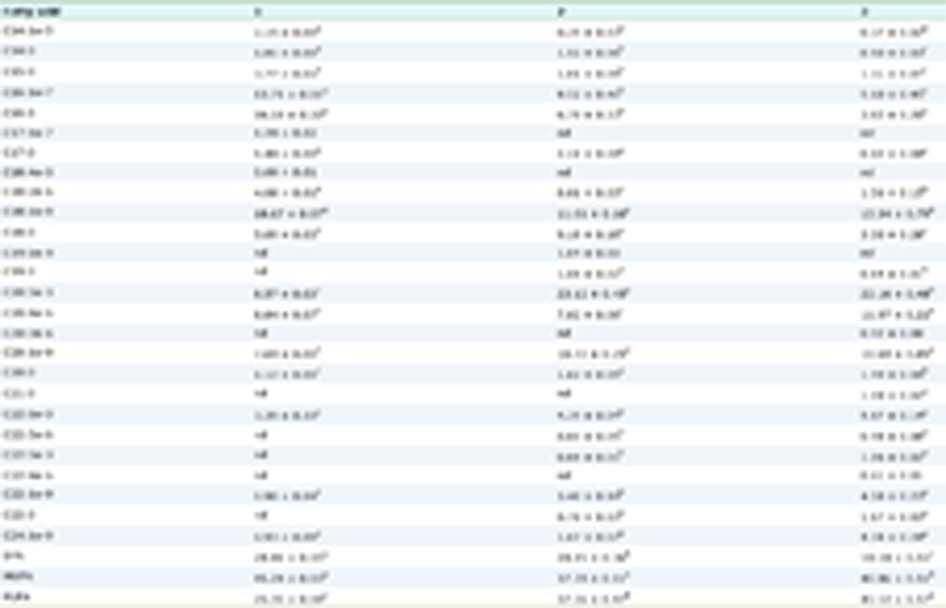 Click to view | Table 1. Mushroom species, β-glucan properties and their bioactivities |
β-Glucans derived from Ganoderma lucidum (Reishi mushroom) are highly branched and often adopt stable triple-helix conformations, contributing to potent immunomodulatory and anticancer activities (Gao and Homayoonfal, 2023). β-Glucans from Pleurotus ostreatus and Lentinula edodes exhibit comparatively simpler, more linear or single-helix structures, result in distinct solubility and receptor-binding profiles (Wijesekara et al., 2026). β-Glucans from Grifola frondosa (D-fraction or MD-fraction) show branched structures with variable β-(1→6) side chains that enhance immunostimulatory activity (Su et al., 2020), while those from Hericium erinaceus often form less branched, flexible chains that are particularly effective in neuroprotective, and gut microbiota-modulation (Liu et al. 2022). Similarly, Cordyceps militaris produces β-glucans characterized by moderate branches with predominant backbone consists of (1→6)-linked β-D-glucopyranosyl (Glcp) units, a combination of triple-helix, and single-helix conformations, which are associated with notable antioxidant potentials demonstrated through assays measuring free radical scavenging ability, reducing power, metal-chelating capacity and metabolic regulation (Liu et al., 2020). β-glucan (Lentinan) from Lentinula edodes (shiitake) is a well-known immunomodulators that enhance pathogen defense by activating innate immune cells include macrophages, neutrophils, and natural killer (NK) cells to facilitate pathogen destruction (Ahn et al., 2017).
| 3. Mechanisms of β-Glucan-mediated stimulation of lactic acid bacteria | ▴Top |
Beta-glucans extracted from Pleurotus ostreatus and Lentinula edodes support the growth of lactic acid bacteria (LAB) particularly species of Lactobacillus and Lacticaseibacillus by acting as selective prebiotic fibers that shorten the lag phase and increase the growth rate of these beneficial bacteria (Bukša et al., 2025). Fungal or yeast glucans (−1,3/1,6) are highly branched and less soluble, but highly effective to activate immune cells and to form protective coatings on probiotics, unlike cereal-glucans (−1,3/1,4) that are more linear and soluble to form viscous gels that are easily fermented in the colon to produce higher levels of SCFAs (Edo et al., 2025). Beta-glucans are not digested in the upper gastrointestinal tract, allowing them to reach the colon, where they are fermented by LAB to produce energy and stimulate proliferation (Yu et al., 2024). Mushroom beta-glucans enhance probiotics viability through several biological mechanisms that influence their growth, survival, and metabolic activity as follows:
3.1. Prebiotic fermentation by lactic acid bacteria
Mushroom β-glucans function as prebiotic dietary fibers because they are resistant to hydrolysis by salivary, gastric, and digestion by human gastrointestinal enzymes (Mitsou et al., 2020; Mirończuk-Chodakowska et al., 2021). As a result, β-glucans reach the colon largely intact, where they become available for fermentation by beneficial gut microbes. Lactic acid bacteria possess specific enzymes such as glucanases and glucosidases capable of partially degrading and utilizing certain polysaccharides like β-glucans into oligosaccharides and glucose units as carbon and energy sources. LAB uptake these sugars for growth, increase biomass, and replication rates. β-Glucans supplementation significantly reduces the lag phase by an average of 7–8 hours in various strains, such as Lactobacillus casei, and Lactobacillus rhamnosus GG (Bukša et al., 2025). The researchers revealed that mushroom β-glucans show increased growth of L. casei, Lactobacillus. helveticus, Lactobacillus acidophilus and L. rhamnosus when mushroom polysaccharides serve as substrates in vitro colonic fermentation. Pleurotus ostreatus stimulates the proliferation of Lactobacillus acidophilus, Lactobacillus plantarum, Bifidobacterium spp., Enterococcus spp., Pediococcus spp., and Streptococcus lactis more effectively than inulin and fructo-oligosaccharides (commercial prebiotics) due to its polysaccharide content. This activity contributes to the modulation of the gut microbiota and the promotion of intestinal health (Törős et al., 2023). Studies on various edible and medicinal mushrooms such as Pleurotus djamor, Pleurotus ostreatus, Lentinula edodes, Ganoderma lucidum, Cordyceps militaris, and Hericium erinaceus indicate that β-glucan-rich extracts serve as fermentable substrates for Lactobacillus casei, L. rhamnosus, L. acidophilus, and Lacticaseibacillus paracasei (Bukša et al., 2025).
3.2. Enhancement of probiotics survival under stress conditions
Probiotic bacteria often face harsh environmental conditions during food processing, storage, and passage through the gastrointestinal tract. Exposure to acidic stomach pH, bile salts, digestive enzymes, and oxidative stress can significantly reduce probiotic viability (Yimbila and Keawsompong, 2025). Mushroom β-glucans improve probiotic survival by forming protective polysaccharide matrices around microbial cells. These matrices act as physical barriers that reduce environmental stress and improve tolerance to unfavorable conditions. In functional food systems, β-glucans contribute to microencapsulation-like protection, help to maintain viable LAB populations until they reach the intestine (Ahmadi et al., 2026). β-Glucans help LAB to withstand stressors (like, acid, bile acids), enhance expression of genes involved in carbohydrate utilization and metabolite synthesis like bacteriocins (Stack et al., 2010).
3.3. Improvement of adhesion to intestinal epithelium
Gut probiotics must be able to adhere to intestinal epithelial cells to establish temporary colonization and exert their beneficial effects (Monteagudo-Mera et al., 2019). Mushroom β-glucans influence this process by interacting with bacterial cell surfaces and mucosal receptors in the intestinal lining to form a protective layer and to improve their persistence within the gastrointestinal tract (Cerletti, et al., 2021). This protective layer helps LAB to survive the harsh, acidic, and bile-rich environment of the stomach. The enhanced adhesion allows probiotics to be more effectively compete with pathogenic microorganisms by blocking the receptor sites, limiting nutrient and spaces for pathogens to colonise and thus, maintain microbial balance within the gastrointestinal tract (Zheng et al., 2024). Fungal glucan extracts from Pleurotus ostreatus (oyster mushroom) enhance the growth rate of specific strains like L. acidophilus, and L. casei by up to 2-fold. The effect is dose-dependent, with higher concentrations leading to earlier entry into the exponential growth phase (Bukša et al., 2025).
3.4. Modulation of gut microbiota composition
Polysaccharides cannot be broken down or digested by saliva, gastric juice, or the conditions of the small intestine. Their degradation and modification are carried out by specific enzymes known as carbohydrate-active enzymes with cooperation of gut microbes (Zhao et al., 2023). Mushroom β-glucans selectively modulate the gut microbiota by promoting the growth of lactic acid bacteria and other beneficial anaerobic species, thereby supporting intestinal homeostasis and contribute to host metabolic health (Mitsou et al., 2020). This is especially important for competitive exclusion of pathogens and to improve immune modulation. When glucans from mushrooms are combined with probiotics, they act as synbiotics, enhance metabolic activity such as increased proteolytic activity in L. rhamnosus GG, further promoting population its growth (Wu et al., 2022). Gut microbiota changes linked to mushroom polysaccharide intake can suppress pro-inflammatory cytokines (e.g., IL-6, TNF-α), help to restore immune balance and potentially lowering inflammation (Araújo-Rodrigues et al., 2024).
3.5. Stimulation of beneficial metabolite production
β-Glucans serve as fermentable substrates for lactic acid bacteria (LAB) to stimulate metabolic activity, leading to increase production of health-promoting metabolites such as lactic acid, bacteriocins, hydrogen peroxide, and antimicrobial peptides. During microbial fermentation of β-glucans, LAB produce short-chain fatty acids (SCFAs) such as acetate, propionate, and butyrate, which play central roles in gut health and host physiology (Pant et al., 2023). SCFAs generated by microbial fermentation in the colon are absorbed into the portal circulation, modulate host energy metabolism, and regulate immune responses (Karimi et al., 2024). In the intestinal lumen, SCFAs lower and stabilize pH, reinforcing the gut barrier, inhibiting growth of opportunistic pathogens, and fostering an environment conducive to probiotic proliferation and metabolic balance (Nireeksha et al., 2025). Lactic acid produced by LAB contributes to luminal acidification, creating unfavorable conditions for many pathogenic microorganisms, while bacteriocins and other antimicrobial peptides produced by LAB selectively suppress harmful bacteria, further enhancing gut microbial homeostasis (Zavadinack et al., 2024). Through these interconnected metabolic pathways, mushrooms’ β-glucans indirectly promote microbial stability, suppress pathogen colonization, and support intestinal gut ecosystem.
| 4. Effects of mushroom β-glucans on probiotic viability and stability | ▴Top |
Mushroom β-glucans significantly enhance the viability and stability of probiotic microorganisms, particularly lactic acid bacteria (LAB), during both food processing and gastrointestinal transit, ensuring that these probiotics remain metabolically active and reach their target site in sufficient numbers to provide health benefits (Russo et al., 2012; Bukša et al., 2025). In the study by Ogidi et al. (2020b), exopolysaccharides (EPS) produced by Pleurotus pulmonarius in submerged culture were shown to support and enhance the growth of Lactobacillus delbrueckii and Streptococcus thermophilus with count up to 3.40 × 10⁴ CFU/mL indicating that fungal EPS act as a prebiotic for LAB proliferation. Shiitake β-glucan promoted the growth of beneficial gut bacteria such as species of Bacteroides and Lactobacillus, while inhibiting the proliferation of potentially pathogenic Escherichia-Shigella, highlighting the functional role of mushroom β-glucans in maintaining microbial balance and revealing its potential applications for food and therapeutic formulations (Liu et al., 2025). Studies have demonstrated that probiotics such as Lactobacillus casei, L. plantarum, and L. brevis exhibit significantly higher survival rates when encapsulated in β-glucan matrices compared to free cells (Shah et al., 2016).
β-glucan extracted from Lentinula edodes (shiitake) resist upper gastrointestinal digestion and undergo colonic fermentation by human gut microbiota, which resulted to significant increase of Bacteroides, Lactobacillus populations, and elevated short-chain fatty acid (SCFA) production, while suppressing the activities of pathogens (Liu et al., 2025). β-Glucans enhance probiotic delivery efficiency through encapsulation technologies, since they have ability to form viscous, gel-like, or microporous networks, which enables their uses as wall materials in microencapsulation systems (Zhu et al., 2026). These structures not only improve encapsulation efficiency but also reduce cell leakage and provide controlled release in the intestinal environment. Mushroom β-glucan-based encapsulation systems have demonstrated high encapsulation efficiencies and significantly improved survival of probiotics during simulated digestion and thermal processing (Agnihotri et al., 2025). In an in vitro human colonic fermentation model, digested Pleurotus djamor powder significantly increased the relative abundance of beneficial bacterial groups include Lactobacillus spp., Enterococcus spp., Bifidobacterium spp. and enhanced production of lactic acid and short-chain fatty acids, which indicate prebiotic effects on the gut microbiota (Andrade et al., 2024). Mushroom-derived β-glucans form a physical barrier around the cells, enhance the resilience of beneficial gut bacteria by forming a protective matrix around microbial cells, which shields them from harsh gastrointestinal conditions, including acidic pH and bile salts, thereby improving the survival, viability, and functional activity of lactic acid bacteria (LAB) during intestinal transit (Mitsou et al., 2020).
| 5. Enhancement of probiotics bioactivities by mushroom β-glucans | ▴Top |
Mushroom β-glucans enhance the functional bioactivities of probiotics by promoting metabolic activity, stimulating the production of antimicrobial compounds such as bacteriocins and organic acids, which inhibit pathogenic microbes and support gut microbial balance (Russo et al., 2012). Additionally, mushroom β-glucans modulate disease-related functions by supporting anti-inflammatory and gut-protective effects; fermentation by gut microbiota increases amount of indole-3-lactic acid to maintain intestinal health (Zhang, et al., 2024b). β-glucan, alone or in combination with Lactobacillus acidophilus, positively influences gut microbial diversity and metabolic profiles in adults with type 2 diabetes, suggesting that the combination may enhance antidiabetic effect through modulation of the colonic microbiota (Clementino et al., 2025). As biological response modifiers, β-glucans combined with probiotics interact with immune receptors such as Dectin-1 and Toll-like receptors, activating immune pathways, cytokine production and they synergistically enhance immune responses, including macrophage activation and regulation of inflammatory cytokines, thereby strengthening overall host immunity (Sung et al., 2023). Mushroom β -glucans enhance probiotic bioactivities by promoting the growth, and gastrointestinal stress tolerance. Ligilactobacillus salivarius C57 markedly increased in growth and potentials (Vasudevan and Chandra, 2025). The survival of probiotics and functional performance of β-glucan as effective prebiotic agents can be applied in functional foods and synbiotic formulations.
| 6. Applications of mushroom β-glucans and probiotics in functional foods and nutraceuticals | ▴Top |
The interaction between mushroom β-glucans and probiotic bacteria has important implications for the development of functional foods and nutraceuticals. Mushrooms such as P. ostreatus L. edodes, G. lucidum, and G. frondosa are notable sources of bioactive β -glucans that can be incorporated into food formulation (Zhao et al., 2023). By adding mushroom-derived β -glucans into fermented foods, dairy products, beverages, or dietary supplement enhance probiotics viability, improve shelf stability, and promote gut health benefits. The combination of probiotics and prebiotic β-glucans forms a synbiotic relationship and work synergistically to support intestinal microbial balance. Mushroom β-glucans and probiotics, particularly lactic acid bacteria (LAB), are increasingly utilized in the development of functional foods and nutraceutical products due to their complementary (synbiotic) effects on gut health and physiological function (Fernandes et al., 2023). The combined application of mushroom β-glucans and probiotics in food formulation will enhances product functionality, improves probiotic performance, and deliver added health benefits beyond basic nutrition. The combination of probiotics with Schizophyllum commune derived β-(1,3/1,6)-glucan created a synergistic synbiotic effect, whereby the prebiotic substrate selectively stimulates the growth and activity of the co-administered probiotic strains, leading to modulation enhancement of the gut microbiota and associated metabolic functions, increase short-chain fatty acid production, and support intestinal microbial balance more effectively than either component alone (Singh et al., 2021). One of the most prominent applications of β-glucans is in fermented dairy products, especially yogurt. The incorporation of mushroom-derived β-glucans into probiotic yogurt formulations has been shown to enhance the growth, metabolic activity, and stability of probiotic strains such as multiplication of Lactobacillus delbrueckii subsp. bulgaricus and Streptococcus thermophilus, survivability of L. acidophilus, L. casei and B. longum subsp. longum and Bifidobacterium animalis (Atik et al., 2025; Jabłońska-Ryś, 2025). Supplementation with mushroom extracts such as Ganoderma lucidum significantly increased probiotic count up to 1.4 log CFU/g, while simultaneously improving antioxidant properties and product functionality (Atik et al., 2025). Mushroom β-glucans stimulate lactic acid fermentation, increase acidity and viscosity, and reduce syneresis in yogurt, thereby improving both microbial viability and product stability. Fortification of soft cheeses with β-glucans extracted from Pleurotus ostreatus has demonstrated improvements in product quality and nutritional value, reflecting their role as functional ingredients in dairy matrices (Kondyli et al., 2022). These applications highlight the dual function of β-glucans as texturizing agents and bioactive compounds, contributing to both technological and health-promoting properties.
Mushroom β-glucans are increasingly incorporated into non-dairy functional foods and nutraceutical formulations including beverages, bakery products, and dietary supplements (Timm et al., 2023). Βeta-glucans act as prebiotic fibers that supports the selective growth of beneficial gut microbiota, thereby enhancing gut health and metabolic outcomes. Functional beverages and fermented plant-based products enriched with mushroom β-glucans are gaining more attention as alternatives for lactose-intolerant populations (Di Renzo et al., 2025). β-Glucans contribute to the structural integrity of encapsulation matrices to enhance probiotic stability during storage and gastrointestinal transit, while also providing fermentable substrates for microbial activity (Shah et al., 2016).
Food production systems are widely used in capsules, powders, and encapsulated delivery systems designed to improve probiotic survival, targeted delivery, and bioactivities. Mushroom β-glucans are utilized in medical and nutraceutical products aimed at modulating immune function, improving metabolic health, and supporting gut microbiota balance (Moniruzzaman et al., 2025). The immunomodulatory and antioxidant properties of mushroom β-glucans, combined with probiotic activity, make them valuable in the formulation of functional supplements for humans and animals. Recent studies also highlight their roles in solid-state fermentation systems, where mushroom mycelium is used to enrich food substrates with β-glucans, further expanding their application in functional food development (Nacha et al., 2025).
| 7. Conclusion | ▴Top |
Mushroom β-glucans represent an important class of bioactive polysaccharides capable of enhancing probiotic viability through multiple mechanisms; by acting as fermentable prebiotic substrates, stimulating SCFA to protect LAB against environmental stress, improving adhesion to intestinal surfaces, modulating gut microbiota composition, and stimulating beneficial metabolites, to create favorable conditions for the growth and activity of lactic acid bacteria. The evidence underscores the potential of mushroom-derived β-glucans as natural agents for microbiota modulation and intestinal health support. Mushroom β-glucans act as potent prebiotic to stimulate the growth and enhance the activity of lactic acid bacteria in functional applications in the development of nutraceuticals, functional foods, and synbiotic formulations. β-Glucans from mushrooms are generally regarded as safe and well-tolerated when combined with probiotics. Harnessing these promising opportunities in food industry for the development of innovative functional foods as dietary strategies will improve gut microbiota balance to achieve better human health delivery system. However, further research is needed to indicate the long-term safety and interaction studies at high doses for therapeutic use, which are important to establish in immunocompromised individuals.
Conflict of interest
Author declares no conflict of interest.
| References | ▴Top |