| Journal of Food Bioactives, ISSN 2637-8752 print, 2637-8779 online |
| Journal website www.isnff-jfb.com |
Original Research
Volume 33, March 2026, pages 85-93
Biotransformation of Coreopsis tinctoria major flavonoids marein and flavanomarein
Yixing Zhua, Limin Guoa, *, Jingrong Zhub, *, Haiqing Zhua, Chang Liuc, Junfeng Shenc
aInstitute of Agro-Products Processing, Academy of Agricultural Sciences of Xinjiang Uyghur Autonomous Region, Urumgi 830091, China
bInstitute of Agricultural Quality Standards and Testing Technology, Academy of Agricultural Sciences of Xinjiang Uyghur Autonomous Region, Urumgi 830091, China
cHubei Key Laboratory for EFGIR, Huanggang Normal University, Hubei 438000, China
*Corresponding author: Jingrong Zhu, Institute of Agricultural Quality Standards and Testing Technology, Xinjiang Uygur Autonomous Region Academy of Agricultural Sciences, Urumqi 830091, China; Limin Guo, Institute of Agro-Products Processing, Xinjiang Uygur Autonomous Region Academy of Agricultural Sciences, Urumqi 830091, China. E-mail: 1069470816@qq.com(JZhu) or guolm_xj@163.com(LGuo)
DOI: 10.26599/JFB.2026.95033442
Received: November 6, 2025
Revised received & accepted: January 25, 2026
| Abstract | ▴Top |
Coreopsis tinctoria Nutt. is a medicinal plant that is cultivated in many countries around the world. The major bioactives of C. tinctoria include marein, flavanomarein, okanin, isookanin and others; among them, marein and flavanomarein are the dominant components, whereas the others present in minor amounts, although they have demonstrated significant biological activities. Continued pharmacological research of flavanomarein, okanin, and isookanin requires sufficient amounts of these components, therefore, this study investigated the efficient biotransformation of marein to flavanomarein, okanin, and isookanin. By screening different enzyme types and optimizing reaction conditions (temperature, concentration, time, and pH), the optimal enzymatic conditions for converting marein to its corresponding cyclic isomer and aglycone were determined. Under enzymatic catalysis, marein and flavanomarein were transformed into their aglycones, okanin and isookanin, respectively. The optimal conditions were as follows: enzyme activity 25 U/mL (VinoTaste® proline enzyme), 37 °C, pH 8.0, and a reaction time of 2 h. Under these conditions, marein yielded 34.56% okanin and 18.31% isookanin, while flavanomarein yielded 92.25% isookanin. This study reports, for the first time, the efficient enzymatic conversion of Coreopsis tinctoria flavonoid glycosides into their aglycones.
Keywords: Marein; Okanin; Flavanomarein; Isookanin; Coreopsis tinctoria
| 1. Introduction | ▴Top |
Coreopsis tinctoria Nutt. (C. tinctoria) is a medicinal plant that is native to North America but cultivated in many countries around the world. In China, it is called ‘Snow chrysanthemum’ and mainly grows in Xinjiang, China; and it has a long history of large-scale and medicinal use for the treatment of many diseases (Guo et al., 2015; Shen et al., 2021). Pharmacological studies have reported that C. tinctoria possesses multiple pharmacological activities, including antioxidant, anti-inflammatory, immunoregulatory, and metabolic syndrome modulating effects (antidiabetic, antihypertensive and antihyperlipidemic), anticancer, antimicrobial, cardiovascular disease preventive, neuronoprotective and hepatoprotective activities (Abdurehman et al., 2023; Guo et al., 2025 ). In addition, phytochemical studies have revealed that C. tinctoria contains numerous bioactive compounds such as polyphenols, essential oils, amino acids/peptides, phytosterols, polyacetylene glycosides, and polysaccharides among others (Gaspar et al., 2012; Shen et al., 2021; Jiang et al., 2023; Zhou et al., 2023). C. tinctoria is particularly rich in polyphenolic compounds, especially flavonoids, which are closely associated with their pharmacological properties. (Ma et al., 2021; Zhao et al., 2025a).
Marein is the dominant flavonoid found in most reported studies of C. tinctoria (Ma et al., 2016; Zhang et al., 2023; Zhao et al., 2025b). It has a chalcone skeleton (α,β-unsaturated ketone) with a glucoside moiety at the 4′-position of its aglycone, okanin (Figure 1, Harborne and Geissman, 1956; Zhang et al., 2006). In IUPAC nomenclature, it is named 4′-(β-D-glucopyranosyloxy)-2′,3,3′,4-tetrahydroxychalcone, or commonly referred to as okanin-4′-O-β-dglucopyranoside. Chemical profiling studies have identified marein as a major chalcone glucoside in flower extracts and often as the dominant single flavonoid attributed to many of the plant’s bioactivities (Liu et al., 2022). Multiple in vitro assays (DPPH, ABTS, cellular ROS measurements) and in vivo oxidative-stress models have demonstrated that marein reduced reactive oxygen species, lowered lipid peroxidation markers (e.g., MDA), and increased activity of endogenous antioxidants such as SOD and GSH-Px (Du et al., 2018; Zhao et al., 2025a). Mechanistic studies have implicated activation of the Nrf2/ARE antioxidant pathway in some models (Du et al., 2018).
 Click for large image | Figure 1. Biotransformation of marein. |
In addition to its antioxidant activity, marein exhibits anti-inflammatory properties. It reduced the production of proinflammatory cytokines (TNF-α, IL-6, IL-1β) and inhibited NF-κB signaling in cell and animal models of inflammation. These effects are frequently linked to the antioxidant actions, including the reduction of ROS-driven inflammatory signaling), as well as direct modulation of inflammatory signaling pathways (Du et al., 2018). Marein also has exerted protective effects against metabolic diseases through its antidiabetic, antihyperlipidemic, antihypertensive activities. Preclinical studies have reported that marein (or marein-rich extracts) lowered blood glucose, improved insulin sensitivity, reduced lipid accumulation, and favorably modulated serum lipid profiles (decreased TG, TC, and LDL; increased HDL) in diabetic and metabolic animal models. Some studies have linked these effects to the regulation of hepatic lipid metabolism, adipocyte function, and AMPK signaling (Guo et al., 2025; Yao et al., 2019). In atherosclerosis and cardiovascular models, marein attenuated macrophage foam cell formation and vascular inflammation – key processes in atherogenesis, suggesting anti-atherosclerotic potential via reduced lipid uptake/oxidation and suppressed inflammatory signaling (Zhao et al., 2025b). In bone, cartilage and related models, recent reports have revealed that marein confers protective effects in osteoarthritis and nucleus pulposus cell injury models (disc degeneration models), again largely attributed to its anti-inflammatory and antioxidant mechanisms (Li et al., 2022; Yin et al., 2025).
Other C. tinctoria flavonoids have also been studied, but to a much lesser degree due to limited availability. Flavanomarein is a flavanone and can be chemically derived from its precursor, marine (Figure 1). Analytical studies and quantitative profiling have repeatedly identified flavanomarein among the top flavonoids by concentration in flower and bud extracts of C. tinctoria, although at a much lower levels compared with its isomer marein (Guo et al., 2023; Han et al., 2016). Flavanomarein demonstrated strong free radical scavenging activity (DPPH, ABTS) and cellular ROS-reducing capacity. In vitro, it enhanced SOD and catalase activity and decreased lipid peroxidation, while in vivo rodent studies showed protection against oxidative tissue injury (Han et al., 2016; Liang et al., 2019; Shi et al., 2022). Cell and animal models have demonstrated that flavanomarein reduced the production of proinflammatory cytokines (e.g., TNF-α, IL-6 and IL-1β) and downregulated inducible inflammatory enzymes, including COX-2 and iNOS. In macrophage and endothelial models, flavanomarein suppressed activation of the NF-κB and MAPK pathways, thereby reducing transcriptional induction of pro-inflammatory genes (Liang et al., 2019; Shen et al., 2021). A series of studies has also shown flavanomarein mitigated high-glucose–stimulated epithelial–mesenchymal transition and mitochondrial dysfunction in renal cells, accompanied by reducd fibrosis and inflammation in diabetic animal models. These findings support a role for flavanomarein in alleviating glucose-related cellular stress and slowing the progression of diabetic kidney disease (Liang et al., 2019; Zhang et al., 2020). Flavanomarein-rich C. tinctoria flavonoid fractions have been reported to improve blood-pressure indices, ameliorate dyslipidemia, and partially restore glucose homeostasis. Mechanistically, these effects have been associated with activation of energy-sensing pathways (e.g., AMPK) and reduced vascular inflammation, although much of the evidence comes from extract studies rather than flavanomarein alone (Ma et al., 2021; Hu et al., 2025). Preclinical studies using oxidative- or toxin-induced neuronal injury models reported that flavanomarein reduced mitochondrial dysfunction, preserved cell viability, and attenuated markers of neuroinflammation, suggesting potential cognitive-protective effects (Liang et al., 2019; Hu et al., 2025). Marein, flavanomarein, and C. tinctoria flavonoid fractions have collectively demonstrated cytoprotective and organ-protective actions, including protection of pancreatic β-cell lines, hepatocytes, renal and neuronal cell models against toxin- or stress-induced apoptosis (as evidenced by reduced caspase-3/7 activation) and maintenance of cell viability under oxidative or high-glucose stress. Several animal studies have further reported reduced organ injury, such as pancreatitis and hepatic steatosis markers, following treatment (Dias et al., 2012).
In summary, flavanomarein, a key flavonoid glycoside of C. tinctoria, has attracted growing scientific interest due to its diverse pharmacological properties and potential applications in disease prevention and health promotion. Studies have demonstrated that flavanomarein exerted strong antioxidant and anti-inflammatory activities by scavenging ROS and modulating signaling pathways such as NF-κB, MAPK, and AMPK. In metabolic regulation, flavanomarein improved glucose uptake, insulin sensitivity, and lipid homeostasis, indicating promise for the management of diabetes and obesity. Additionally, flavanomarein exhibited hepatoprotective, neuroprotective, and cardiovascular benefits through its ability to mitigate oxidative stress and cellular injury. Owing to its multifaceted bioactivities and natural origin from a traditional medicinal plant, flavanomarein represents a promising bioactive compound with considerable potential for development as a nutraceutical or therapeutic agent. However, the content of flavanomarein in C. tinctoria is limited, and much lower than that of its chalcone isomer, marein, which is generally available in sufficient quantities for animal and other in vivo studies. Due to the limited availability of flavanomarein and its aglycone, isookanin, in vivo studies of these compounds have largely been restricted to low dosage and/or single dose designs, thereby limiting rigorous evaluation and dose-response assessment in animal models. Therefore, we conducted an enzyme-catalyzed biotransformation study of marein to flavanomarein and further optimized the bioconversion conditions to efficiently produce flavanomarein, okanin and isookanin.
| 2. Materials and experimental methods | ▴Top |
2.1. Materials and reagents
C. tinctoria was purchased from the farmers’ market in Pishan County, Hotan, Xinjiang, China. Acetonitrile and formic acid were of chromatography grade and purchased from Sigma-Aldrich, Inc. (St. Louis, MO, USA). Hexanes, ethyl acetate, n-butanol, ethanol (95%), and anhydrous ethanol were ACS reagent grade and from Beijing Chemical Plant (Beijing, China). Distilled water was purchased locally and water of chromatography grade was generated in-house using a Millipore water purification system (Millipore Corporation, Burlington, MA, USA). Standard compounds including marein, flavonomarein, okanin and isookanin were purchased from Nanjing Jingzhu Biotechnology Co. Ltd. (Nanjing, China). Macroporous resin AB-8 was purchased from Shaanxi Bohui Biochemical Technology Co., Ltd. (Xi’an, China). Cellulase, α-glucosidase, β-glucosidase, and exo-β,1-3-glucosidase were purchased from Sigma-Alrich, Inc. VinoTaste® proline enzyme (VinoTastePro enzyme) was purchased from Winequip (Thomastown, Victoria, Australia). Marein was prepared in-house.
2.2. High performance liquid chromatography (HPLC)
A Waters 2695-2489 HPLC system (Waters Corporation, Milford, MA, USA) was equipped with a gradient pump system, an autosampler unit, a UV-vis monitor system, and a Waters XTERRA MS C18 column (4.6 mm × 250 mm, 5 µm). Chromatographic conditions were as follows: column temperature 30°C; mobile phase consisting of acetonitrile (B) and 0.1% formic acid in water (A); flow rate 1 mL/min; UV detection wavelengths 280 nm and 370 nm; injection volume 10 µL. The mobile phase gradient was set as follows: 0–8 min, 85% A and 15% B; 8–17 min, 84% A and 16% B; 17–20 min, 70% A and 30% B; 20–21 min, 65% A and 35% B; and 21–25 min, 30% A and 70% B.
2.3. Enzyme catalyzed conversion of marein and flavanomarein
2.3.1. Preparation of substrate and enzyme solutions
The stock solutions of marein and flavanomarein were prepared in distilled water at a concentration of 10 mg/mL. Solutions of cellulase (500 U/mL), α-glucosidase (70 U/mL), β-glucosidase (4 U/mL), exo-β,1-3-glucosidase (0.2 U/mL), and VinoTastePro enzyme (25 U/mL) were prepared according to their specified enzyme activity. All enzyme solutions were stored at 4 °C and equilibrated to room temperature (25 ± 2 °C) prior to use.
2.3.2. Enzyme-catalyzed reaction
The conditions for enzyme-catalyzed reactions were slightly modified from the method of Puri et al. (2012). Briefly, 10 μL of substrate solution was transferred to 2 mL EP tubes, followed by addition of 500 μL of 100 mmol/L sodium acetate (pH 5.0) to each tube. The reaction was initiated by adding the enzyme solutions. After completion of the reaction as monitored by HPLC, 500 μL of the reaction mixture in each tube was mixed with 1 mL of methanol and heated in a boiling water bath for 3 min to terminate the reaction. After cooling to room temperature, the samples were filtered through a 0.22 μm membrane filter, and the concentrations of okanin and isookanin in the supernatant were quantified by HPLC quantitatively.
2.3.2.1. Effect of reaction time on the enzymatic conversion of marein and flavanomarein
Ten μL of substrate solution was added to a 2 mL EP tube, followed by the addition of 500 μL of 100 mmol/L sodium acetate buffer (pH 5.0). Then, cellulase (500 U/mL), α-glucosidase (70 U/mL), β-glucosidase (4 U/mL), exo-β-1,3-glucosidase (0.2 U/mL), and VinoTastePro enzyme (25 U/mL) were added to five EP tubes, respectively, to initiate the reactions. The reaction systems were placed in a 50 °C water bath, and analytical samples were collected at 10, 20, 30, 60, 90, 120, and 240 min, with three replicates per group. The contents of okanin and isookanin were quantified, and the optimal reaction time was determined based on the transformation rate.
2.3.2.2. Effects of enzyme activity on the enzymatic conversion of marein and flavanomarein
Ten μL of substrate solution was added to 2 mL EP tubes, followed by 500 μL of 100 mmol/L sodium acetate buffer. Cellulase (250, 500, 1,000 U/mL), β-glucosidase (2, 4, 8 U/mL), and VinoTastePro enzyme (12.5, 25, 50 U/mL) were added to the respective tubes to initiate the reactions. Each reaction system was incubated in a 50 oC water bath for 120 min, after which samples were collected for HPLC analysis. Three replicates were prepared for each experimental condition. The contents of marein and flavanomarein were quantified, and the optimal enzyme activity was selected based on the formation rate.
2.3.2.3. Effect of temperature on enzymatic conversion of marein and flavanomarein
Ten μL of substrate solution was added to 2 mL EP tubes, followed by the addition of 500 μL of sodium acetate solution and then cellulase (200 U/mL), β-glucosidase (2 U/mL), and VinoTastePro enzyme (25 U/mL) to initiate the reactions. The tubes were separately placed in constant temperature water baths at 37, 50, and 60 °C for 120 min, after which samples were collected for HPLC analysis. Three replicates were prepared for each experimental condition. The contents of marein and flavanomarein were quantified using HPLC, and the optimal reaction temperature was determined based on the formation rate.
2.3.2.4. Effects of different pH levels on the conversion of marein and flavanomarein
Ten μL of substrate solution was added to 2 mL EP tubes, followed by the addition of 500 μL of sodium acetate solutions at different pH values and then cellulase (200 U/mL), β-glucosidase (2 U/mL), and VinoTastePro enzyme (25 U/mL) to initiate the reactions. The tubes were separately placed in constant temperature water baths at 37, 50, and 60 °C for 120 min, after which samples were collected for HPLC analysis. Three replicates were prepared for each experimental condition. The contents of marein and flavanomarein were quantified using HPLC, and the optimal reaction pH was determined based on the formation rate.
2.4. Conversion rate
Calculation formula: Conversion rate = Product concentration / Initial substrate concentration × 100% (5–1) Note: Concentration unit: mmol/L.
| 3. Results | ▴Top |
3.1. Effect of reaction time on enzyme-catalyzed conversion of marein and flavanomarein
3.1.1. Effect of enzymatic reaction time on biotransformation of marein
Enzymatic reaction efficiency is closely related to substrate concentration and time. In this experiment, the reaction time for the enzymatic conversion of marein was investigated and optimized. Analysis of the results shown in Figure 2 indicated that α-glucosidase and exo-β-1,3-glucosidase catalyzed the formation of only a small amounts of isookanin from marein and flavanomarein, with no detectable formation of okanin. In contrast, β-glucosidase, cellulase, and VinoTastePro enzyme simultaneously catalyzed the formation of okanin and isookanin, with VinoTastePro enzyme and β-glucosidase exhibiting superior catalytic performance. At a reaction time of 2 h, VinoTastePro enzyme exhibited the highest catalytic performance, producing 30.45% (Figure 2a) okanin and 19.62% isookanin (Figure 2b), respectively. β-Glucosidase exhibited the second-best catalytic performance, yielding 16.49% okanin and 15.42% isookanin, while cellulase showed relatively weak catalytic activity, producing only 10.57% okanin and 9.24% isookanin. When the reaction time was extended to 4 h, the conversion rates of all three enzymes decreased. This decline may be attributed to the graduall depletion of substrate and accumulation of products, which can reduce catalytic efficiency, as well as possible enzyme degradation, inactivation, or product inhibition over time. Based on these combined experimental results, the optimal reaction time was determined to be 2 h.
 Click for large image | Figure 2. Enzymatic conversion rate (%) from marein to okanin (a) and isookanin (b), and from flavanomarein to isookanin (c) at different reaction times. |
3.1.2. Effect of time on the enzymatic reaction of flavanomarein
Analysis of the results shown in Figure 2C indicated that different enzymes exhibited varying catalytic effects on flavanomarein. α-Glucosidase and exo-β-1,3-glucosidase only catalyzed the formation of a small amounts of isookanin from flavanomarein. In contrast, β-glucosidase, cellulase, and VinoTastePro enzyme catalyzed the deglycosylation reaction to generate the aglycone isookanin. During the 4 h reaction period, VinoTastePro enzyme and β-glucosidase demonstrated the highest catalytic performance. As illustrated in Figure 2C, after 2 h of reaction, 81.72% and 74.61% of isookanin were generated, respectively. Cellulase exhibited relatively weak catalytic activity, generating only 49.79% of isookanin. Similar to the catalytic results observed for marein, the production rates of all three enzymes decreased when the reaction time was extended to 4 h. Therefore, the optimal reaction time was determined to be 2 h.
3.2. Effects of enzyme activity on the catalytic conversion of marein and flavanomarein
3.2.1. Effect of enzyme activity on the enzymatic reaction of marein
Analysis of the results shown in Figure 3 indicated that enzyme activity had a significant impact on the catalytic effect of marein. Based on the enzymatic characteristics of β-glucosidase, VinoTastePro enzyme, and cellulase, three activity gradients (low, medium, and high) were established for each enzyme to screen for optimal reaction conditions. The results showed that VinoTastePro enzyme exhibited the best catalytic performance at an activity of 25 U/mL, producing 30.45% okanin and 28.29% isookanin; β-glucosidase at an activity of 2 U/mL produced 19.02% okanin and 16.06% isookanin; and cellulase at an activity of 500 U/mL produced 9.24% okanin and 10.63% isookanin. Each of the three enzymes exhibited an optimal activity within the tested range. Generally, increasing enzyme activity resulted in greater product formation within a given reaction time; however, further increase in enzyme activity led to a plateau or even a decrease in product yield, likely due to substrate limitation, enzyme inactivation, or increased side reactions. Based on these results, the optimal activity conditions for each enzyme were determined for subsequent experiments.
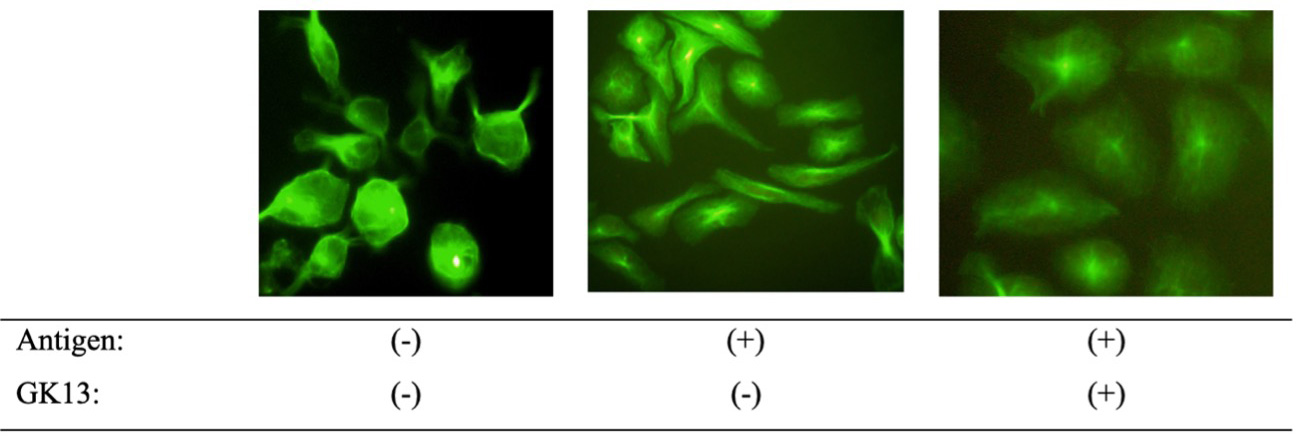 Click for large image | Figure 3. Enzymatic conversion rate (%) of marein to okanin and isookanin by different enzymes. β-glucosidase (a); VinoTastePro enzyme (b); cellulase (c). |
3.2.2. Effect of enzyme activity on the enzymatic reaction of flavanomarein
Analysis of the results in Figure 4 is consistent with those observed for marein in Section 3.2.1. β-Glucosidase exhibited optimal catalytic performance at an activity of 2 U/mL, generating 77.79% of isookanin. VinoTastePro enzyme produced 81.47% of isookanin at an activity of 25 U/mL, while cellulase generated 49.79% of isookanin at an activity of 500 U/mL. These results indicated that different enzymes possess distinct optimal activity conditions, and VinoTastePro enzyme exhibited the strongest catalytic effect on the conversion of flavanomaerin from marein.
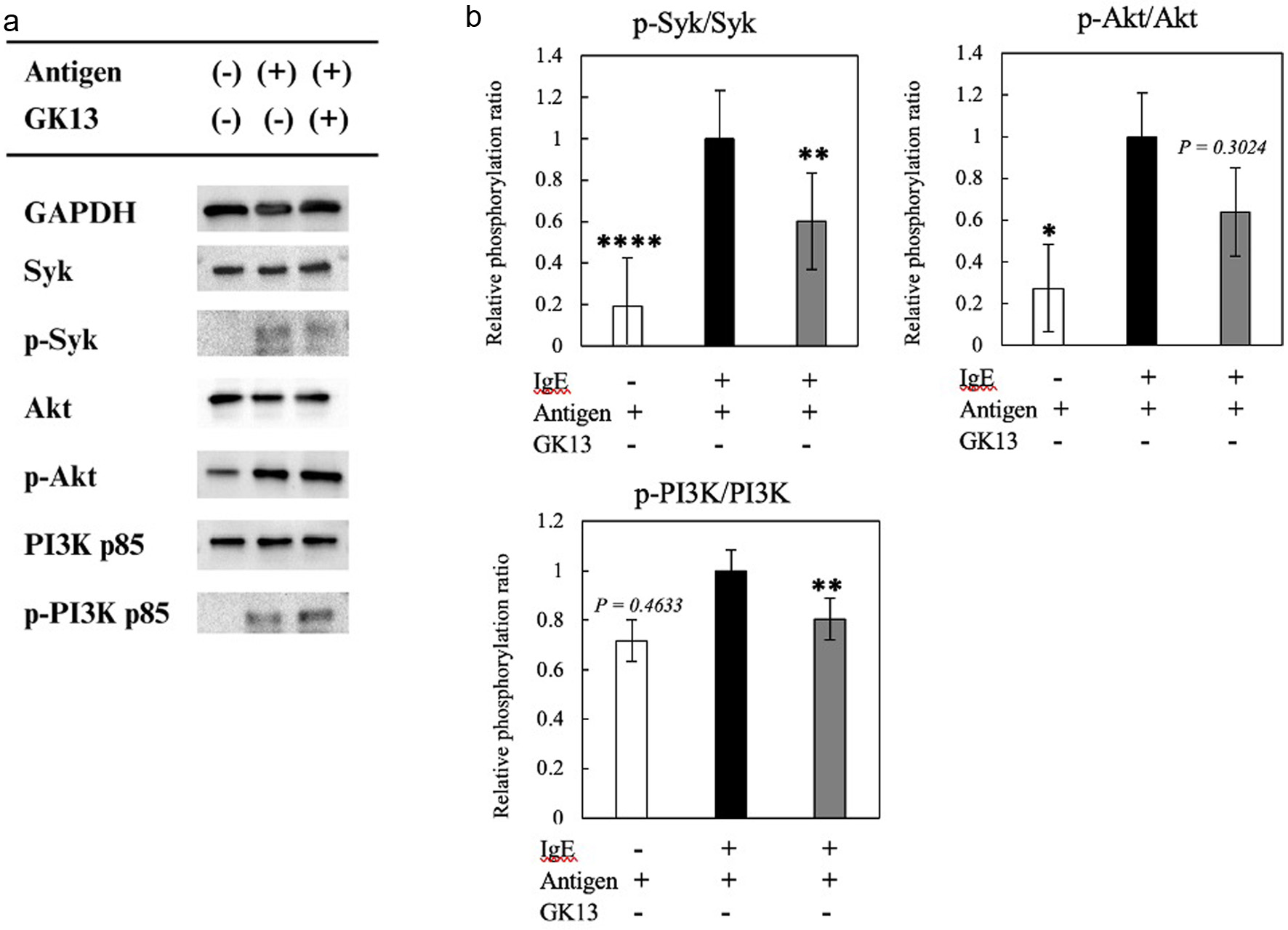 Click for large image | Figure 4. Enzymatic conversion rate (%) of flavanomarein to isokanin by different enzymes. β-glucosidase (a); VinoTastePro enzyme (b); cellulase (c). |
3.3. Effect of reaction temperature on the conversion of enzyme catelyzed marein and flavanomarein
3.3.1. Effect of temperature on enzymatic conversion of marein
Analysis of the results in Figure 5 showed that reaction temperature significantly affected the catalytic performance of marein. β-Glucosidase exhibited optimal catalytic activity at 50 °C, producing 19.54% okanin and 15.37% isookanin; VinoTastePro enzyme showed the best catalytic performance at 37 °C, producing 34.21% okanin and 16.45% isookanin; and cellulase exhibited its highest catalytic activity at 60 °C, producing 14.46% okanin and 12.12% isookanin. These results indicate that different enzymes possess distinct optimal reaction temperatures at which product yield is maximized. When the optimal temperature of an enzyme deviates, both the reaction rate and the product yield decrease significantly. This may be because when the temperature is too low, the enzyme activity is inhibited, resulting in a slow reaction rate, whereas excessively high temperatures may cause enzyme denaturation and loss of activity. VinoTastePro enzyme exhibited optimal catalytic performance at 37 °C, a relatively mild reaction temperature closer to the physiological temperature in vivo, which is advantageous for enzyme stability and reusability, and reduces the risk of enzyme inactivation due to high temperature. Therefore, based on its superior catalytic performance and suitable reaction temperature, VinoTastePro enzyme was selected for subsequent pH condition evaluation to further optimize reaction conditions and improve catalytic efficiency and product yield.
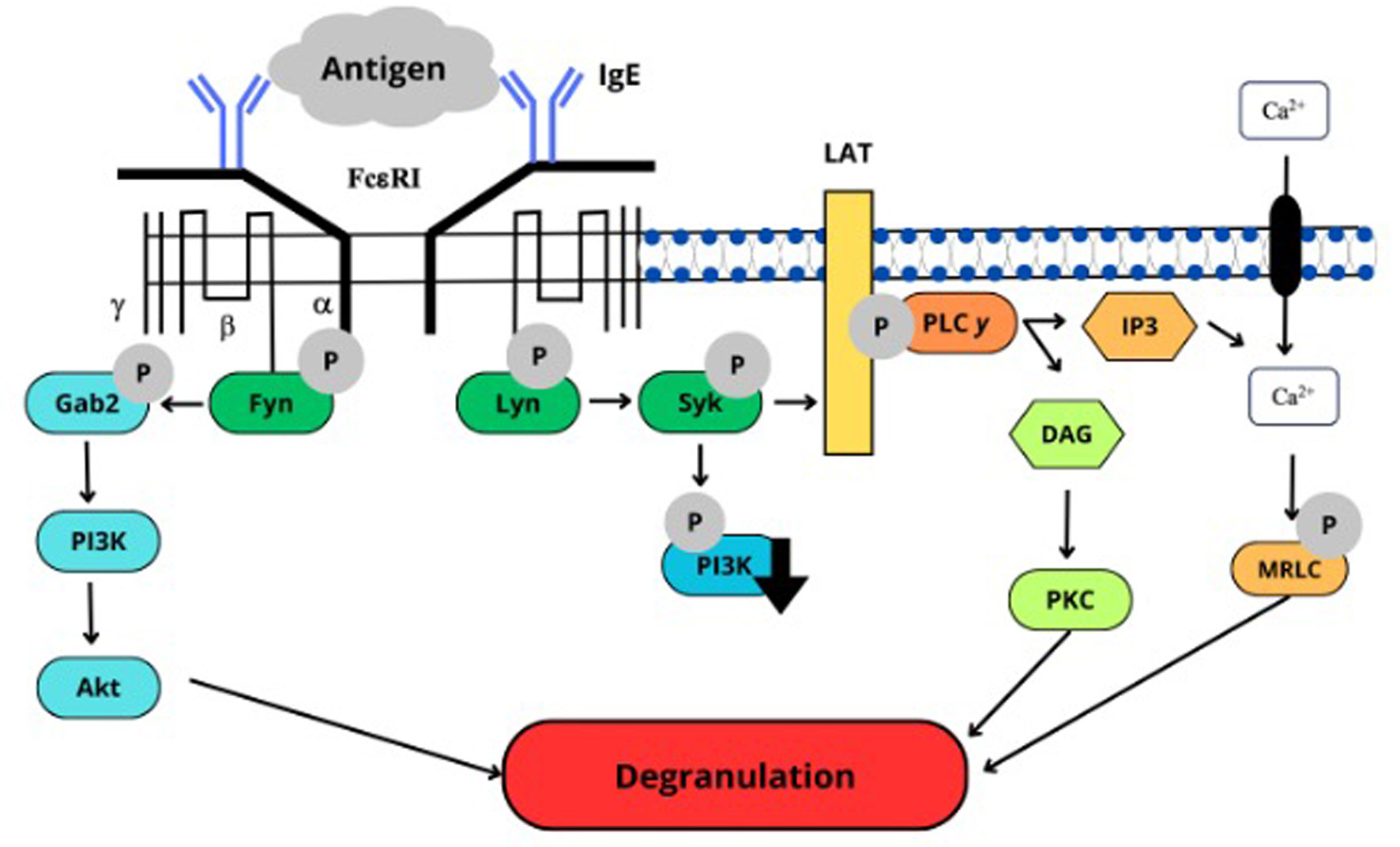 Click for large image | Figure 5. Bioconversion of marein to okanin and isookanin from the catalysis of by different enzymes at various temperatures. β-glucosidase (a); VinoTastePro enzyme (b); cellulase (c). |
3.3.2. Effect of temperature on enzymatic conversion of flavanomarein
Analysis of the results for flavanomarein conversion shown in Figure 6 indicated that it is consistent with those observed for marein. β-Glucosidase exhibited optimal catalytic performance at 50 °C, achieving a 77.42% isookanin formation rate. VinoTastePro enzyme showed the highest catalytic efficiency at 37 °C, producing 92.06% isookanin. Cellulase exhibited the highest catalytic activity at 60 °C, producing 58.45% of isookanin. Similar to the catalytic results of marein, different enzymes displayed dinstinct optimal reaction temperatures for the conversion of flavanomarein, with VinoTastePro enzyme demonstrating the most effective catalytic performance.
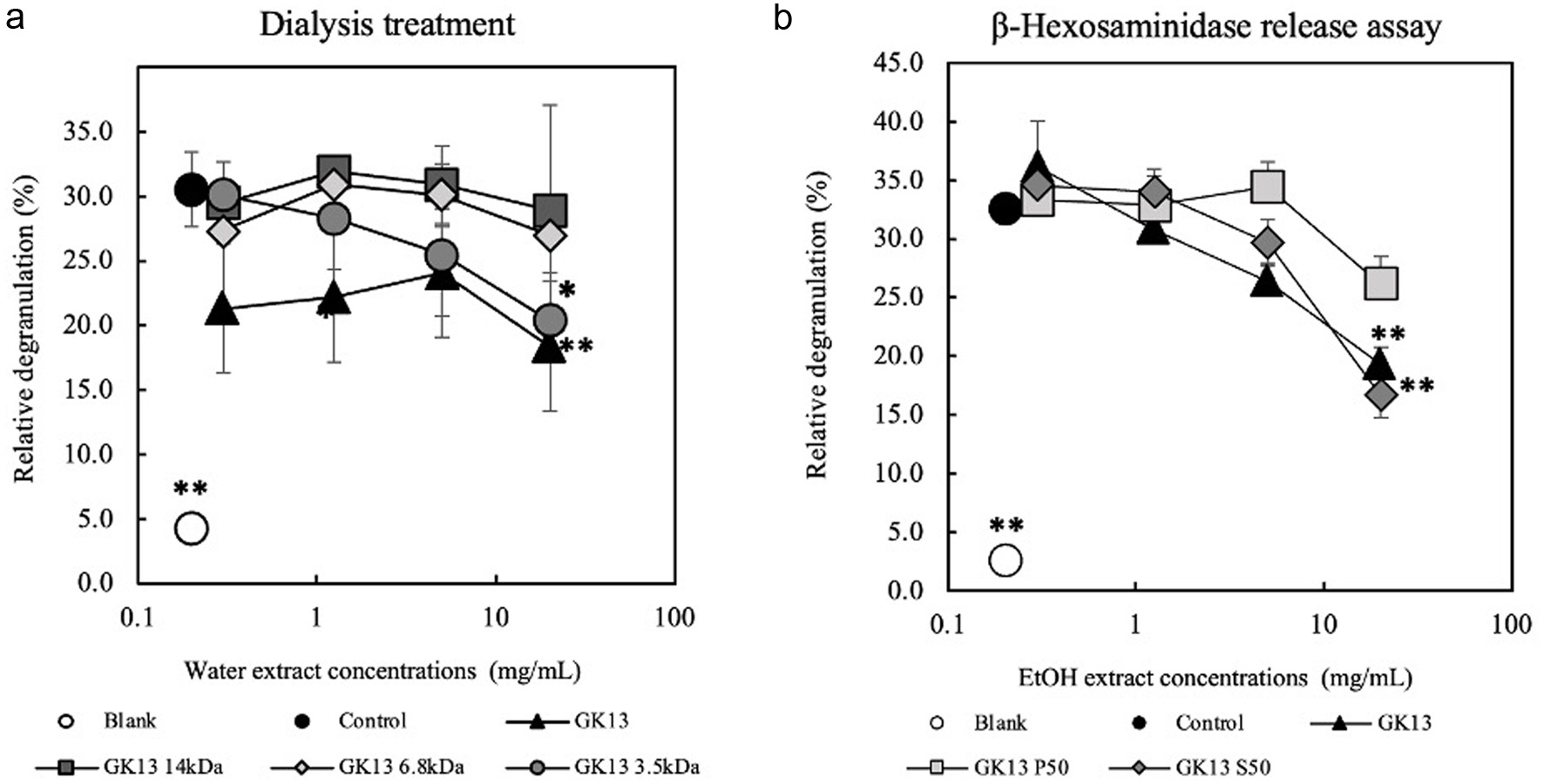 Click for large image | Figure 6. Enzymatic conversion rate (%) of flavanomarein to isookanin at different temperatures. (a) β-glucosidase; (b) VinoTastePro enzyme; (c) cellulase. |
3.4. Effect of pH on VinoTastePro enzyme catalysis of marein and flavanomarein
Based on above experimental results of optimized reaction time, enzyme activity, and reaction temperature, VinoTastePro enzyme was selected for pH investigation, and the results are shown in Figure 7. The results indicated that pH has little effect on the catalysis of VinoTastePro enzyme, suggesting that the enzyme catalytic system has good acid-base adaptability. The conversion of marein catalyzed by VinoTastePro enzyme is illustrated in Figure 7a. At pH 4.0, 29.73% okanin and 15.34% isookanin were produced from marein; at pH 7.0, 33.65% okanin and 17.73% isookanin were generated; and the highest values were observed at pH 8.0, with 34.56% okanin and 18.31% isookanin produced. Similarly, the catalytic effect of VinoTastePro enzyme at different pH on flavanomarein conversion also showed comparable stability, as shown in Figure 7b. At pH 4.0, the isookanin formation rate was 87.47%; at pH 7.0, it increased to 90.98%; and at pH 8.0, the highest conversion rate of of 92.25% was achieved. These results indicate that VinoTastePro enzyme maintains stable catalytic activity over a wide pH range (4.0–8.0), with optimal performance observed under weakly basic conditions (pH 8.0).
 Click for large image | Figure 7. Bioconversion Rate (%) of marein (a) and flavanomarein (b) to okanin and isookanin at different pH levels of VinoTastePro enzyme. |
Based on the above experimental results, the optimal conditions for the enzyme-catalyzed conversion of marein and flavonomarein to okanin and isookanin were determined as follows: VinoTastePro enzyme as the catalytic enzyme, a reaction temperature of 37 °C, enzyme activity of 25 U/mL, pH of 8.0, and a reaction time of 2 h. The generated okanin and isookanin under these optimized conditions is illustrated in Figure 8.
 Click for large image | Figure 8. HPLC detection of generated okanin and isookanin from marein and flavanomarein. (a) okanin standard; (b) okanin product; (c) isookanin standard; (d) isookanin product. |
| 4. Discussion | ▴Top |
In this study, we investigated the reaction conditions for the enzymatic conversion of marein and flavanomarein to okain and isookanin by screening five different enzymes, i.e. α-glucosidase, β-glucosidase, exo-β-1,3-glucosidase, cellulase, and VinoTastePro enzyme, with the aim of optimizing the reaction parameters to improve the formation rates of okanin and isookanin. Our results demonstrated that VinoTastePro enzyme exhibited the best catalytic performance among the five enzymes, providing an important basis for subsequent process optimization. Different enzymes displayed distinct catalytic effects towards marein and flavanomarein. α-Glucosidase and exo-β-1,3-glucosidase catalyzed only the conversion of flavanomarein to a small amounts of isookanin, while no conversion of marein to okanin was detected. In contrast, β-glucosidase, cellulase, and VinoTastePro enzyme catalyzed the simultaneous conversion of marein and flavanomarein to okanin and isookanin, with VinoTastePro enzyme and β-glucosidase exhibiting higher catalytic efficiency. VinoTastePro enzyme may possess an active site more suited to the marein structure, thus exhibiting higher catalytic efficiency. Furthermore, the conversion rates of all these three enzymes decreased when the reaction time was extended to 4 h, possibly due to a gradual decrease in substrate concentration, enzyme inactivition or product inhibition. Although appropriately extending the reaction time and optimizing enzyme activity can improve product yield, excessively long reaction times or overly high enzyme activity may lead to enzyme inactivation or increase in side reactions.
Reaction temperature and pH significantly affect enzyme-catalyzed reactions, and enzymes from different sources or prepared by different methods possess distinct optimal reaction temperatures and pH ranges. For instance, VinoTastePro enzyme exhibited optimal catalytic performance at 37 °C and showed slightly better activity at pH 8.0 in a pH range of 4.0–8.0, indicating that VinoTastePro enzyme maintains stable catalytic activity over a wide pH ranges (4.0–8.0) and has high application potential. The effects of temperature and pH on enzyme-catalyzed reactions are mainly reflected in three aspects: reaction rate, product yield, and enzyme stability. Under optimal temperature and pH, enzyme activity is maximized, resulting in the the fastest reaction rate and the highes product yield. However, when the temperature and pH deviate from optimal conditions, both the reaction rate and the amount of product generated decreased significantly. Therefore, in practical applications, it is necessary to experimentally determine the optimal reaction temperature and pH of the enzyme to achieve efficient and stable catalytic reactions.
Enzymatic catalysis technology has shown great potential in the field of natural product transformation due to its high efficiency, specificity and environmental friendliness. Previous studies have demonstrated that enzyme catalysts can accurately identify and catalyze specific chemical bonds under mild conditions. Reported result have shown that optimization of enzyme catalytic conditions can significantly improve the conversion rate of target products – resveratrol (Liu and Zhou, 2020), which is consistent with the excellent performance of VinoTastePro enzyme enzyme under optimized conditions observed in this study. These advances provide crucial support for the further development of enzyme catalysis technology. Enzymatic catalysis offers a new technological pathway for the efficient utilization of bioactive compounds in C. tinctoria, but it still faces several challenges. Future research should focus on screening and engineering highly efficient enzyme catalysts, deeply elucidating their catalytic mechanisms; developing immobilized enzyme technologies to improve enzyme stability and reusability; and optimizing production processes by incorporating green chemistry principles. This research has laid the foundation for the industrial application of active ingredients in C. tinctoria.
| 5. Conclusion | ▴Top |
This study optimized the bioconversion conditions of flavonoid components in C. tinctoria using enzyme catalysis technology and systematically investigated the effects of reaction time, enzyme activity, temperature, and pH on the conversion of marein and flavanomarein to okain and isookanin. The optimal reaction time for VinoTastePro enzyme and β-glucosidase was 2 h; and among five enzymes screened, VinoTastePro enzyme exhibited the highest catalytic efficiency. The optimal reaction temperature for VinoTastePro enzyme enzyme was 37 °C, and the optimal pH was pH 8.0. Under these optimized conditions, VinoTastePro enzyme catalyzed the formation of 34.56% okanin and 18.31% of isookanin from marein, and catalyzed the formation of 92.25% of isookanin from flavanomarein.
Funding
This research was funded by the Xinjiang Uygur Autonomous Region Outstanding Youth Science Fund project [grant numbers 2024D01E11]; National Nature Science Fund of China (Grant number 82060788).
| References | ▴Top |