| Journal of Food Bioactives, ISSN 2637-8752 print, 2637-8779 online |
| Journal website www.isnff-jfb.com |
Review
Volume 33, March 2026, pages 32-37
R&D roadmaps and eco-system for successful functional food products
Pavinee Chinachoti*
Food and Health Security Foundation (Thailand), 2/1 Soi Areesampan 11, Rama 6 Road, Payathai, Bangkok 10400, Thailand
*Corresponding author: Pavinee Chinachoti, Food and Health Security Foundation (Thailand), 2/1 Soi Areesampan 11, Rama 6 Road, Payathai, Bangkok 10400, Thailand. E-mail: chair@FIRN.or.th
DOI: 10.26599/JFB.2026.95033437
Received: November 29, 2025
Revised received & accepted: January 4, 2026
| Abstract | ▴Top |
Food with enhanced health benefits has gained global popularity, surpassing traditional food science and nutrition. This trend influences consumer behavior, health, longevity, and food systems. However, it strains value chains, from traditional production to scientifically advanced foods, including regulatory processes. Functional Food is expected to be safe and support wellness, disease prevention, and healthy lifestyles. In Asia, functional food development has grown competitive, driven by accelerated academic R&D. Yet, regulatory challenges hinder product health claim approval. This presentation shares a policy study and proposes systemic infra-structure and capacity building needs for intervention. Examples of Thailand’s Food with Function Claims (FFC) and other concepts will be discussed.
Keywords: Regulation; Health claim; Innovation; Functional; FIRN
| 1. Introduction | ▴Top |
The global surge in demand for foods with enhanced health benefits has revolutionized the way we think about nutrition. Functional Foods— now representing $398.81 billion in 2025 to $793.60 billion by 2032, at a CAGR of 10.33% (Fortune Business Insights, 2025)—are reshaping consumer choices, health outcomes, and entire food systems worldwide. But this boom brings challenges, from traditional farming to advanced food science and complex regulatory hurdles. These foods must not be just safe—they are designed to promote wellness, prevent disease, and support vibrant, healthy lives. As food with enhanced health benefits has gained global popularity, surpassing traditional food science and nutrition, influenced consumer continuously seek health and longevity through foods. However, it strains value chains, from traditional production to scientifically advanced foods, including regulatory processes. Functional food is expected to be safe and support wellness, disease prevention, and healthy lifestyles. Asia is stepping up as a fierce competitor in functional food innovation, with rapid academic research fueling growth. Yet, regulatory challenges hinder product health claim approval for many reasons. This paper discusses policy deployment for regulating health and safety of functional foods and describes research innovation necessary for regulatory compliance. Infrastructure and capacity-building interventions for countries with great potential resources of bioactives but find regulatory roadmaps quite a challenge for emerging R&D enterprisess. Highlights include Thailand’s efforts by FIRN (Food Innovation and Regulation Network) as an example on driving Food with Function Claims (FFC) program and other pioneering concepts leading the way.
| 2. A world of difference: food global perspectives | ▴Top |
Consumers today are more health-conscious than ever, craving personalized nutrition tailored to their unique needs. The growth of foods with specific health functions has been at the forefront of this high-end industrial demands. The COVID-19 pandemic exposed cracks in global food security (e.g., Niles et al., 2020; FAO Regional Office for Asia and the Pacific, 2020) —raising hunger by 132 million and leaving billions without access to nutritious foods—while spotlighting the value of functional foods that combat inflammation, diabetes, and cardiovascular risks, to name a few. Educated consumers demand more from foods as this health-conscious group are learning more about the synergy between food and body physiological responses.
The devastating impacts of COVID-19 outbreaks on the status of individuals with Non- Communicable Diseases (NCDs) have been significant. The availability and accessibility of food became major issues, highlighting the country’s vulnerability to food security (United Nations, 2020). This includes accessibility, buffer capacity, and the positive and negative effects on various commodities, which impacted food prices, undernutrition, and household food security. During such periods, the world experienced major shifts not only in food prices but also in consumer choices influenced by emotional distress and varying degrees of depression stemming from isolation and illness. Foods with bioactive properties, including anti-inflammatory, anti-diabetic, cardiovascular, respiratory, and mental health benefits, have continuously gained importance in the functional food and beverage as well as nutraceutical markets.
Delivering these benefits demands rigorous scientific validation, robust safety standards, and clear regulatory pathways. At the same time, new terms like “superfood,” “plant-based,” “cultured meat,” and “hypo-allergenic” are shaping consumer expectations and market definitions, all requiring careful management to build trust and ensure transparent, safe food supply chains. In doing so, innovative research and development of untapped raw materials such indiginous, local resources to make claims on health functions involving specific physiological mechanisms underlying healthy living. Consumer insights on personal health beyond basic nutrition has made other function claims quite attractive offering relatively untapped specified components (such as phyto-based, marine-based, microbial-based bioactives, etc.). Promising components as well as newly derived platforms such as novel components from both new and traditional resources possibly open new competitive research and development.
Delivering foods for specific purposes may include offering consumers health-promoting benefits—ranging from general wellness and nutrition to targeted support for disease prevention, medical management, or adjunctive therapy. This category also encompasses functional foods, foods enriched with functional ingredients and foods with novel or alternative ingredients including Future Food. In parallel, dietary supplements, nutraceuticals, and traditional medicines have garnered significant interest. Over the past few decades, the journey from innovation to regulatory approval has evolved considerably, with increasing emphasis on rigorous research and development to ensure public safety and provide evidence-based substantiation for health claims. Such claims must undergo thorough scientific scrutiny before specific usage levels and associated health statements can be authorized. Moreover, quality standards throughout processing and the supply chain—including production practices—are now essential for documentation to ensure safety, transparency, and, more recently, traceability. New terminology has also emerged in this evolving landscape—terms such as “superfood,” “plant-based,” “cultured” or “cellbased meat,” “hypoallergenic,” “free-range,” and “Geographical Identity (GI)”—which continue to be refined through both innovation and regulatory mandates. These terms may carry implications for health, functionality, or other consumer-perceived benefits.
Managing public expectations (health and safety) and market growth opportunities of functional foods is complex. To manage R&D investments, short and long term strategic plan for product platform(s) is key for corporate success. Integrated and well managed cross-functional teams are pre-requisite for efficient execution and final product success. Therefore, technical experiences and regulatory insights are necessary to make solid project plans achieving success in product health claims and labelling approval. This falls in the high stake (risk), high market value category which is not familiar to conventional food companies which often find such challenges extremely difficult to harness highly complex product development projects all the way through final launches. Understanding this system can help one navigate successfully.
The diagram in Figure 1 demonstrates inter-relationship of regulatory authority and related supporting agencies, industry active engagements and consumer-side activities that a good system must have. A balance between regulatory protocol vision and administration and the industry R&D-marketing strategy, with safety-guard tactics (e.g., post-market, consumer monitoring as well as consumer protection audits) are some of the key trust- building and market growth in sectors that build growing, well informed consumers in respective society.
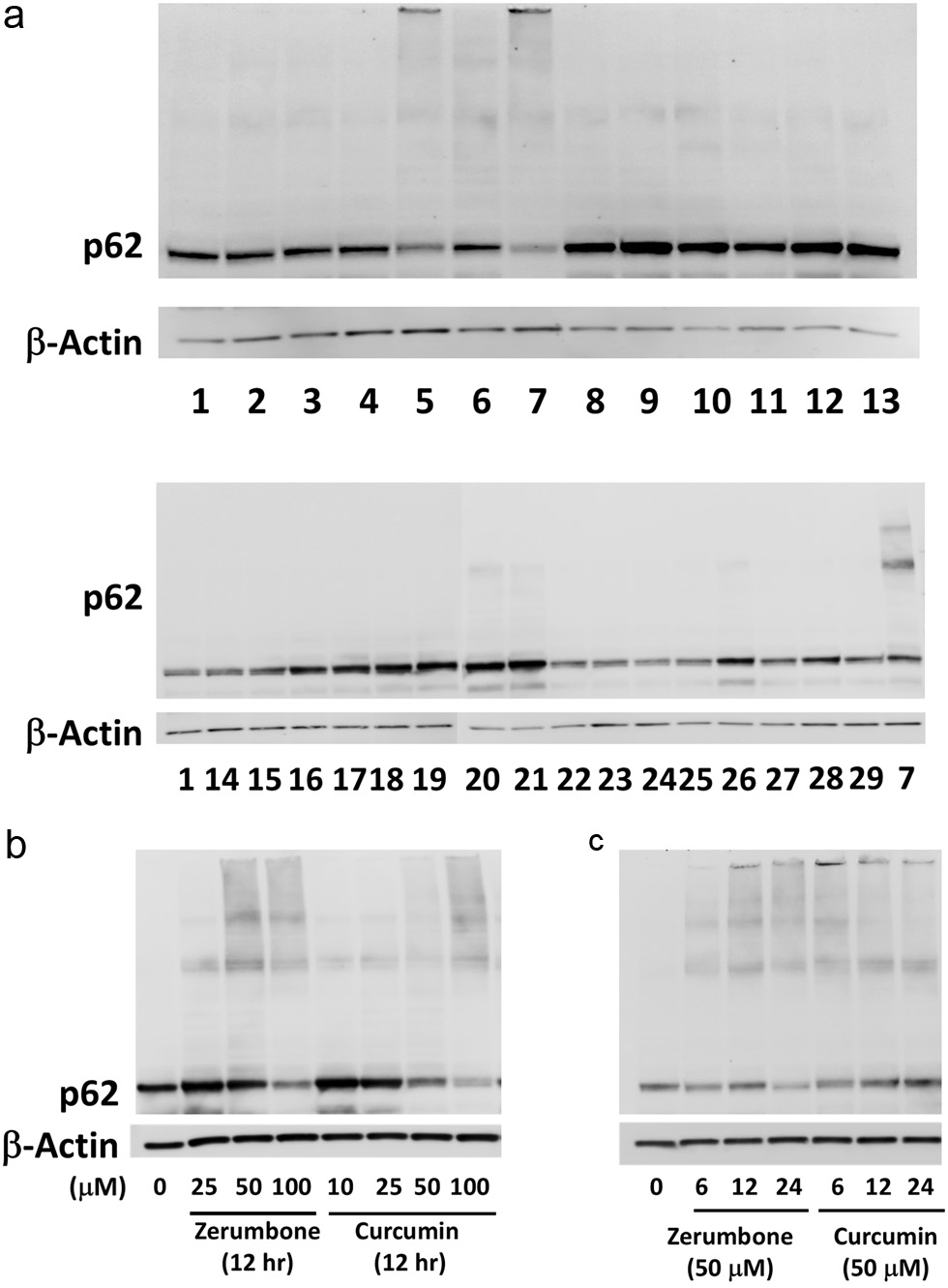 Click for large image | Figure 1. Inter-relationship of regulatory authority and related supporting agencies, industry active engagements and consumer-side activities. RDI: research, development and innovation. |
| 3. WESTERN vs EASTERN developments in functional foods – what did we learn? | ▴Top |
As functional food market shifts from North America to Asia-Pacific, regional approaches have to adapt with—melding Western technology with Eastern tradition. This fusion creates vast opportunities for rural employment, sustainable agriculture, and unique competitive advantages through indigenous resources like algae, insects, and heritage grains. In recent years, largest market share of global functional food has shifted from being dominated by North America (∼35% share) in 2020 (https://www.sphericalinsights.com/reports/functional-food-market) to being dominated by Asia-Pacific (∼36% share) in 2024 (https://www.precedenceresearch.com/functionalfood-market). As the technological advancements in the West have made their ways to Asia-Pacific, there have been a great deal of mis-match in consumer choices, technical marketing strategies, and R&D for regulatory readiness have been far from effective although some recent changes have shown some attempt to improve. Asian regulatory developments around food safety and health claims follow more traditional (such as CODEX) but also evolves in their own regional prospects. Asia takes on functional food seriously such that it has made its marks to become national policy agenda such as Food with Function Claims (FFC) Japan and Thailand.
| 4. Food with Function Claims (FFC) Thailand and FIRN | ▴Top |
During 2015–2025, Thailand has accelerated research and development efforts toward nutritious and functional foods utilizing indigenous materials. Regulatory developments to support safety and health claim approvals have continuously evolved, while several R&D enterprises and academic researchers began developing research and product innovations for the market. Consumers have experienced significant demographic shifts toward health consciousness and “clean” foods.
However, most Thai food R&D operators find preparing functional food health claim approvals (regulatory details and processes) extremely challenging, with limited information available to properly prepare acceptable dossiers and supporting documents. FIRN (Food Innovation-Regulation Network) was established at that time (2017) under FoSTAT (Food Science and Technology Association of Thailand). The vision is to provide assistance and bridge knowledge gaps for all stakeholders (industry, academic researchers, and government regulatory personnel). FIRN has offered workshops and courses on topics such as Health Claims for Functional Foods, Systematic Review, Clinical Trial, and R&D coaching. Recently, FIRN proposed to the Thai government an innovative regulatory approach (following the Japanese Food with Function Claim or FFC Model, Figure 2) where a self-affirmation or safety and health claim substantiation dossier is prepared with specific, clearly defined directions on the contents required for submission and processing. The dossier is reviewed by an experienced team, replacing the pre-market approval by expert committees.
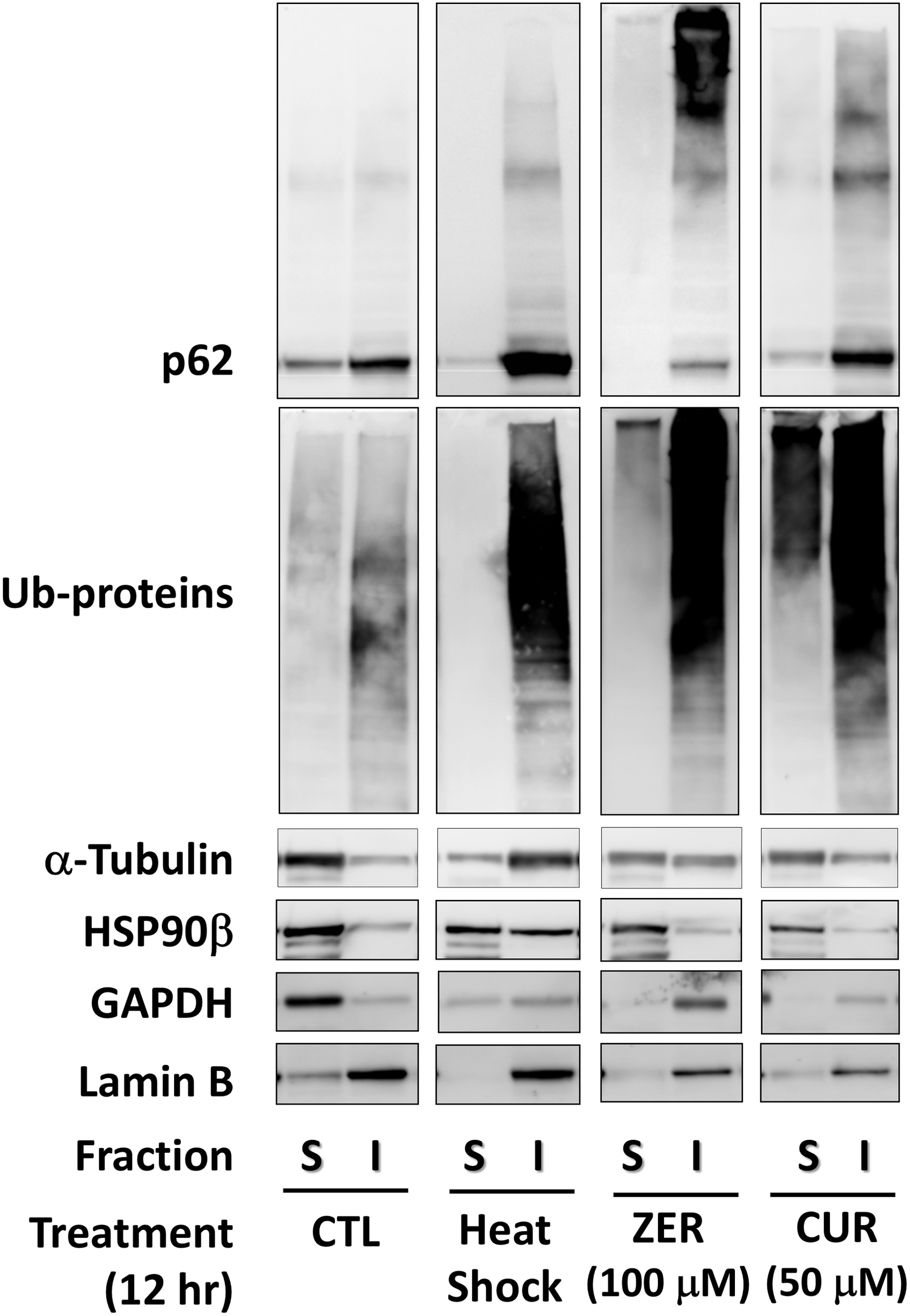 Click for large image | Figure 2. Japan FFC (Food with Function Claim) preparation and application steps. (Note CAA = Consumer Agency of Japan). Diagram produced by FIRN. |
Accountability of dossier owners would be subject to post-market surveillance and stiff penalties if necessary.
With Memorandum of Agreement (MOU) between FoSTAT (Food Science and Technology Association of Thailand – the host organization for FIRN) with Japan’s NARO (National Agriculture Research Organization, the initiator of FFC Japan), FIRN formed a proposed regulatory framework through Thailand FFC Policy Brief to the National Food Committee (food policy authority), which agreed to proceed with a study on how Thailand can implement the FFC Model. The Thai Food and Drug Administration and National Bureau of Agricultural Commodity and Food Standards (ACFS), Ministry of Agriculture and Cooperatives were appointed as Co-Secretariats.
FIRN supports the FFC Sub-Committee by organizing focus-group surveys, developing a database of potential functional ingredients and foods from Thailand, successfully proposing the Government’s 150 functional compound (positive list) policy with R&D funding support, and creating an online FFC platform. Since its inception, FIRN has been active and is well-known among Thai food science professionals and related fields of functional foods. It has recently planned to expand its mission which leads to an organizational transition into Food and Health Security Foundation (FSH, Thailand).
| 5. Past and future of Asia (and others) development | ▴Top |
In Asia, functional foods are rapidly evolving with the keen interests in indigenous resource utilization, biotechnological and traditional medicine research and development. It has been recognized that there is no doubt the opportunities for Asian countries to strengthen the health-enhancing food sector as opportunities exist for rural employment, creatiive and competitive advantages for small-scale farmers and producers of functional foods. Indigenous sourcing of functional and bioactive compounds offers both traditional and novel usage have great potentials including algae, insect, local legumes and cereals, mushrooms, fruits, herbs and vegetables and many more (Williams, et al., 2006; Hawkes and Ruel, 2008). Imagine a global Health Gastronomy Platform where every developing country celebrates its untapped cultural food treasures to nourish both rural and urban communities affordably and sustainably (Table 1). Science and business must unite to pave the path forward, bringing personalized nutrition to life and building food systems that prioritize health, equity, and longevity.
 Click to view | Table 1. Causes, effects and intervention possibilities to make functional foods in developing countries or by SME’s possible to meet country and global demands for One Health and Sustainability Development Goals (SDG) |
Development of Health Gastronomy Platform in developing countries, however, requires integration of the Western approach and advanced scientific experience, and the Eastern wisdom. For example, in order to assure food security and traceability, quality and safety controlled production system must not only be in place but also be effectively reliable and deliverable with an intention for fair trade and for local sustainability. Assuring delivery both in quantity and quality, there must be a standardized system that confirms safety and health efficacy for public protection. Opportunities to expand innovation to utilize new and renewable biomaterials in ways that offers authenticity, affordability and reliable products to the consumers from all economic and social status.
Health Gastronomy Platform (Figure 3) can deliver foods that are well studied and developed into authentic foods containing vital phytochemicals (anti-oxidants, anti-inflammatory, cholesterol-lowering compounds or type-2 diabetes preventative compounds, for examples). Or other unconventional functions may also be captalized, such as alternative proteins from phyto-resources boosting protein production in mothers’s milk. Colored or pigmented rice can be produced in good soil that may be treated or biofortified to contain higher zinc, iodine, and selenium. These are just examples of what has already been demonstrated as examples that inspires additional innovative vision.
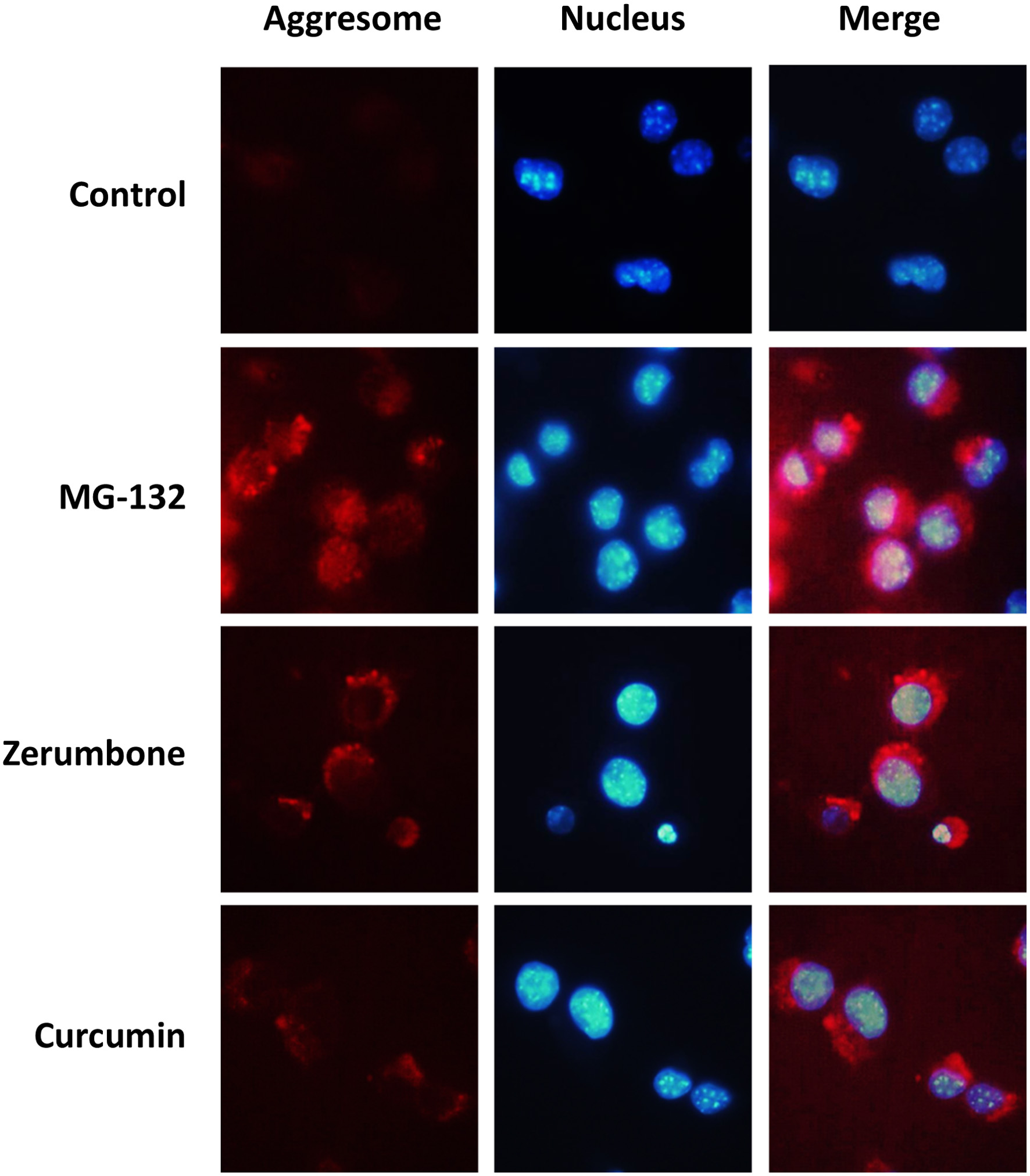 Click for large image | Figure 3. Health Gastronomy Platform proposed for countries using indigenous biological resources for health gastronomy and traditional foods by the locals. |
Not only talented and visionary teams are needed, but also government R&D funding conviction and allocation that specifically targets such vision or inspiration could effectively drive innovation to serve health and safety of the public through foods. Early engagement with business leads to a strong academic-industry partnership. But there should also be an established and dedicated food innovation-regulatory advisors (and trusted advocate for system improvement). FIRN has taken the precise role in such a way of service provider for assisting innovators to understand and form a successful R&D roadmaps for data preparation for regulatory review on safety and health (functional) claims. In addition, FIRN members engage in government R&D funding policy and grant review processes in order to participate nationally to improve designed R&D roadmaps of functional food innovation towards better chance for regulatory approval.
Understanding consumer motivations and clearly communicating health benefits remain critical for market success. One of the major challenges in delivering success in the functional food market is the ability to understand the key drivers of consumer interest. Consumer insights and communication strategies for health functions rely on balancing trust with delivering what is promised to target consumers. Methods of communicating the presence of micronutrients and bioactive compounds in products vary from country to country, including differences in what can be claimed on packaging and the legally allowed health claim statements. Target consumer studies can be powerful tools to ensure market success. However, health messages can often be expensive to develop and too complicated for some consumer groups who may not understand or feel the need for them, or who find claim and warning statements confusing. One challenge— which some view as an opportunity to open new markets—is that most consumers, regardless of demographics such as education, wealth, or rural/urban residence, do not understand how to eat for health and longevity. And confusion in new terminology and meaning (such as Ultra-Processed Foods) can easilty occur among media-cased consumers who easily sway by unscientific comments; food is, therefore, seen as either “good food” or “bad food” ignoring several fine details on scientific evidence and complex cause-effect explanation. It is important then, for scientific bodies to make extra efforts to explain facts in simple terms in digital media in order to enhance proper public education on food benefits and potential risks
As rural populations shrink and urban populations expand in many regions, there is a significant shift in food preferences from plant-dominated diets to diets high in meat, sugar, salt, and fat, which increases the risk of non-communicable diseases (NCDs). As urban diets trend toward more processed, sugary foods, functional foods offer a vital opportunity to steer people back toward healthful choices—backed by science, authenticity, and cultural pride.
Opportunity to introduce products and healthy food choice for urban consumers to include more micro-nutrients and functional ingredients in the diets seems to be a trend for improving one’s health (Figure 4). This is both a necessary and a growing trend to offer products and healthy food choices for city dwellers that include more micronutrients and functional ingredients, making it easy to choose healthy foods and find fresh fruits and vegetables—especially for those with specific health needs—is a great way to support better health through personalized nutrition.
 Click for large image | Figure 4. Change in demographics and food preference from rural to urban sector and Intervention strategy. |
| 6. Conclusion | ▴Top |
Moving to the future, a systematic regulatory and innovation framework for highly sophisticated health and safety approval can be greatly enhanced and strengthened by 1.bridging the knowledge gaps by independent-and-scientific organization who serves to help strengthen R&D Roadmap, and 2.funding reviews of research programs, training and coaching, and engagement with the government bodies to propose innovative policy initiatives. Since communication/education of consumers are keys to comprehensive guidelines for healthy food intake. This combined with a Health Gastronomy Platform of a region or country where indigenous resources can be effectively applied to modern foods and where new innovation platforms for indigenous resources can be established to drive nutritious, functional, and affordable food both for rural and urban populations of all levels of economic status. Healthy foods need not be and should not be strictly expensive. A system “from Farm to Forks” must be developed with health, safety, and affordability in mind which would be far better way towards several sustainability goals. This can answer both food, health, and environmental security and sustainability for all. The future of food must be ones that offer health functions for mankind, are all inclusive, and allow innovative regulatory framework and support system to further develop and harmonize across regions and the world— promising a healthier world through the power of what we eat.
Acknowledgments
Supports from Thai government for Policy Brief and FFC Thailand framework development by Thailand’s Agricultural Research Development Agency (ARDA), Program Management Unit for Competitiveness (PMUC) under the Ministry of Higher Education, Science, Research and Innovation (MHESRI); Food Innopolis-National Science and Development Agency (NSTDA); Office of National Higher Education Science Research and Innovation Policy Council (NXPO).
Author’s note
Working collboration with the following organizations is appreciated: and Thailand’s Food and Drug Administration (FDA), and National Bureau of Agricultural Commodity and Food Standards (ACFS); Food Science and Technology Association of Thailand (FoSTAT) , Food and Health Security Foundation (FHS), and The International Union of Food Science and Technology (IUFoST).
| References | ▴Top |